
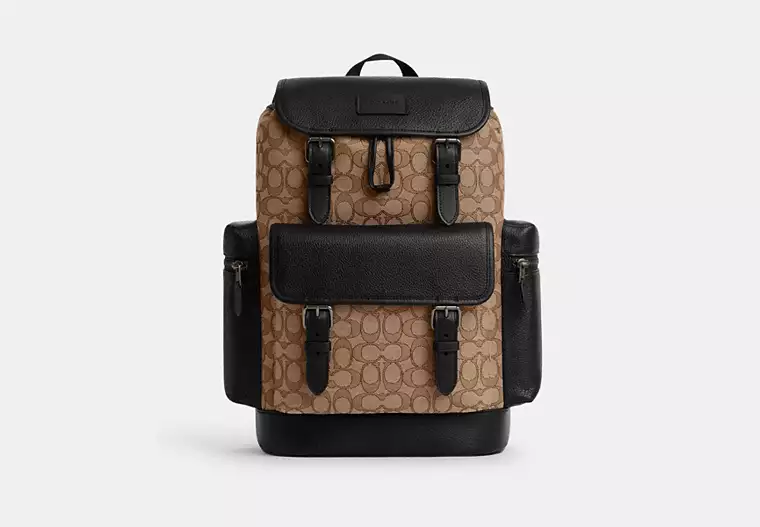
Are you ready to find the Travel Backpacks that fit your trips, your body, and your lifestyle?
Travel Backpacks Ultimate Guide to Choosing the Perfect Bag
This Travel Backpacks guide is designed to help you pick the ideal travel backpack for 2025 and beyond. You’ll get practical advice on features, fit, packing, maintenance, and model types so you can make confident choices whether you’re taking weekend city breaks, long-term RTW trips, or off-trail adventures.
Why Choosing the Right Travel Backpack Matters
Picking the right Travel Backpacks is one of the best travel investments you can make. A good backpack reduces discomfort, protects your gear, helps you stay organized, and can even speed up airport transitions and security checks.
How You Should Think About Your Trip and selecting Travel Backpacks
Before you start comparing Travel Backpacks, you should get clear on the kind of travel you do most often. That context will guide decisions about capacity, access style, weight, and durability so you end up with a pack that actually suits your real-world needs.
Trip Duration for Travel Backpacks: Weekend, Short, Long-Term, Round-the-World
Your trip length drives capacity. Weekend trips usually need 20–30 liters; one-week trips often fit into 30–45 liters with efficient packing; long-term travel and backpacking typically require 50–75+ liters. If you plan to travel long-term, prioritize comfort, durability, and organization.
Travel Style pick Travel Backpacks: Minimalist, Photographer, Commuter, Hiker, Digital Nomad
In Travel Backpacks consider whether you travel light, carry camera gear, commute with tech every day, hike rugged trails, or work on the road. Each style has specific needs like quick exterior access, dedicated laptop compartments, or extra attachment points for tripods and hiking poles.
Transportation and Security Considerations of Travel Backpacks
Before picking Travel Backpacks, think about how you’ll move between destinations. If you’ll frequently fly, a carry-on-compliant pack with clamshell access will speed up security and packing. If you’ll take buses and trains, think about theft-resistant features and quick access to essentials.
Key Features to Look For in Travel Backpacks
Travel Backpacks value often comes down to how well its features match your needs. Use the list below to prioritize what matters most to you.
Capacity and Size (Liters) of Travel Backpacks
Capacity of Travel Backpacks determines how much you can pack and often affects weight and portability. Choose a size that matches your typical trip and packing style; aim for room to compress rather than overflow.
Table: Typical pack capacities and suggested uses of Travel Backpacks
| Capacity (liters) | Typical Use |
|---|---|
| 15–25 L | Daily city bag, commuter, day hikes |
| 25–35 L | Weekend trips, minimalist carry-on |
| 35–45 L | 1-week trips, carry-on for efficient packers |
| 45–60 L | 1–2 week trips, technical travel with extra gear |
| 60–80+ L | Extended travel, trekking, multi-day expeditions |
Weight and Packability of Travel Backpacks
Lighter Backpacks are easier to carry and often appreciated if you’ll walk a lot or hike between locations. Balance the weight of the empty Travel Backpacks against the materials and build quality — sometimes a slightly heavier pack protects your investment longer.
Fit and Suspension Systems
Fit is critical for comfort. Travel Backpacks use different suspension systems and come in sizes or adjustable torso lengths. A properly fitted hip belt should carry most of the load and rest on your iliac crest (top of your hip bones).
Materials and Durability of Travel Backpacks
Look for abrasion-resistant fabrics and high-quality hardware. Materials like nylon with high denier and DWR coatings are common; heavier denier fabrics generally last longer but add weight.
Weather Resistance and Rain Covers
Water-resistant fabrics and sealed seams protect your gear from showers. Many packs include a rain cover; if not, you should add one. Consider water-resistant zippers and a protective bottom panel if you expect wet, muddy terrain.
Organization and Access (Top-loader, Panel-loader, Clamshell)
Access style matters for packing and security:
- Top-loader: Simple and sometimes lighter, but harder to access the middle of your pack.
- Panel-loader / clamshell: Opens like a suitcase and is best for organized packing and quick access.
- Hybrid: Combines top and panel access.
Laptop and Tech Compartments in Travel Backpacks
If you carry a laptop or tablet, check the padded sleeve size and how easily you can remove the device for security checks. Some packs have a dedicated, TSA-friendly front compartment that opens flat.
Security Features of Travel Backpacks
Lockable zippers, RFID pockets, and hidden compartments help deter theft. If you’re in high-theft areas, choose packs with lockable main compartments and discreet external pockets.
Straps, Hip Belt, Sternum Strap, Load Lifters
A padded hip belt is essential for heavy loads. In Travel Backpacks, Load lifter straps help position weight closer to your back. Sternum straps stabilize shoulder straps and can house whistle buckles for safety.
Comfort Features: Padding, Ventilation in Travel Backpacks
Look for ergonomic shoulder straps, breathable back panels, and ventilation channels. Mesh back panels and suspended frames reduce sweating and add comfort on warmer journeys.
External Attachment Points and Compression Straps in Travel Backpacks
Daisy chains, gear loops, and straps allow you to carry jackets, sleeping pads, trekking poles, or a tripod. Compression straps stabilize your load and reduce pack volume in Travel Backpacks.
Expandability and Compression
Expandable compartments let you increase capacity for souvenirs or seasonal layers. Compression systems keep the load compact to reduce shifting during movement.
Carry-on Compliance and Airline Rules affecting Travel Backpacks
Airlines vary, but most international carriers accept bags roughly 22 x 14 x 9 inches (56 x 36 x 23 cm) for carry-on. Domestic carriers sometimes allow slightly larger sizes. If you prioritize carry-on use, pick a pack that fits within the toughest common limits.
Table: Typical airline carry-on guidance
| Airline Type | Common Max Dimensions (approx.) | Notes |
|---|---|---|
| International carriers | 22 x 14 x 9 in (56 x 36 x 23 cm) | Safe baseline for carry-on |
| Budget/Regional carriers | Varies; sometimes smaller | Always check before flying |
| Full-service domestic | 22–24 x 14–18 x 9–10 in | Some allow slightly larger bags |

Types of Travel Backpacks
Different Travel Backpacks suit different journeys. Match pack types to your travel habits so you don’t pay for features you’ll never use.
Carry-On Travel Backpacks
These are designed for fast airport transitions and minimalism. They usually have panel loading, padded laptop sleeves, and organizational pockets. Choose one if you prioritize mobility and avoiding checked baggage.
Backpacking / Trekking Travel Backpacks
Built for comfort on trails, these packs have robust suspension systems, large capacities, hip belts, and hydration-compatible features. If you’ll be hiking multiple days with heavy loads, this style is for you.
Convertible Backpack-Duffel Packs
These hybrid bags offer the convenience of a duffel with backpack straps. They work well when you need flexible carrying modes, such as when switching between airports and taxis.
Wheeled Travel Backpacks
Wheels add versatility for urban travel or airports with long walking distances. Keep in mind they often weigh more and may be less comfortable on uneven terrain.
City/Commuter Travel Backpacks
Slim, low-profile packs built for city travel combine professional aesthetics with tech storage. They often have theft-prevention features and easy-access pockets for daily essentials.
Camera Gear Backpacks
These packs include modular foam inserts, extra padding, and tripods straps. Pick one if you regularly travel with photography equipment, drone gear, or video kit.
How to Fit Travel Backpacks Properly
Fitting your pack is essential to avoid pain and injury. Even the best pack will hurt if it’s the wrong size or adjusted poorly.
Measure Torso Length and Hip Circumference
Measure your torso from the C7 vertebra (base of the neck) to the top of your hip bones. Measure around your hips at the iliac crest for hip belt sizing. Many retailers provide size charts to match you to their frames.
Adjust Hip Belt and Shoulder Straps
The hip belt should center over your hip bones. Tighten it to transfer weight from your shoulders to your hips. Shoulder straps should wrap comfortably without pinching; the sternum strap helps stabilize.
Load Small, Then Test with Weight
Pack your bag as you intend to carry it and add realistic weight. Walk, squat, and climb stairs with the pack to test for pressure points and shifting. Adjust load lifters and compression straps until the weight feels snug and balanced.
What to Look For During a Fit Test
You should feel weight primarily on your hips, minimal shoulder strain, and no pinching at the shoulders or hips. The pack should move with you, not swing independently.
Choosing Travel Backpacks Based on Activity
Match pack features to what you actually do while traveling. That will prevent wasted features and unnecessary cost.
Urban and Transit Travel
If you mainly move between cities and airports, prioritize clamshell access, laptop protection, and organization. A carry-on-compliant pack with a comfortable shoulder carry option is ideal.
Long-Term or RTW Travel
For extended travel, prioritize durability, comfort, and modular packing. Packs with quick-access admin pockets and easy-to-open laptop compartments help you remain efficient on the move.
Hiking and Trekking
Choose rocks-solid suspension, a supportive hip belt, and gear attachment points. Waterproof features and rugged base fabrics extend the life of the pack.
Photography and Tech Work
Look for customizable interiors, quick-access pockets, and tripod attachment. Ensure your pack has secure padding for delicate equipment and adequate ventilation for batteries and electronics.
Business and Hybrid Travel
If you combine meetings and adventure, look for professional aesthetics, a dedicated laptop compartment, and expandable sections for extra clothing or shoes.
Packing Strategies and Organization Tips
Packing smart improves comfort and access. Follow organization strategies so you can find essentials quickly and balance weight.
Use Packing Cubes and Compression Sacks
Packing cubes keep clothing organized and compression sacks compact bulk items like sleeping bags. Cubes also speed unpacking and laundry sessions.
Heaviest Items Close to Your Back
Place your heaviest items closest to your spine, around shoulder blade level but slightly lower for balance. This improves stability and reduces strain.
Keep Essentials Accessible
Put travel documents, medications, a light layer, and electronics in easy-access pockets. Use external pockets for water bottles, snacks, and small items you need while moving.
Roll vs Fold Clothing
Rolling typically saves space and reduces wrinkles for casual items, while folding might work better for formal clothes. Mix methods depending on fabric and fit.
Table: Packing checklist by trip length
| Item | Weekend (2–3 days) | 1 Week | 2+ Weeks / Long-Term |
|---|---|---|---|
| Main clothing set | ✓ | ✓ | ✓–multiple |
| Extra layers | ✓ | ✓ | ✓ |
| Toiletries (in travel size) | ✓ | ✓ | ✓ |
| Electronics (phone, charger) | ✓ | ✓ | ✓ |
| Laptop/tablet | Optional | Optional | ✓ |
| Shoes (1–2 pairs) | 1 pair | 1–2 | 2+ |
| Packing cubes | Optional | Recommended | Recommended |
| First-aid / meds | ✓ | ✓ | ✓ |
| Rain layer / pack cover | ✓ | ✓ | ✓ |
| Security items (locks) | Optional | Recommended | Recommended |
Maintenance and Care of Travel Backpacks
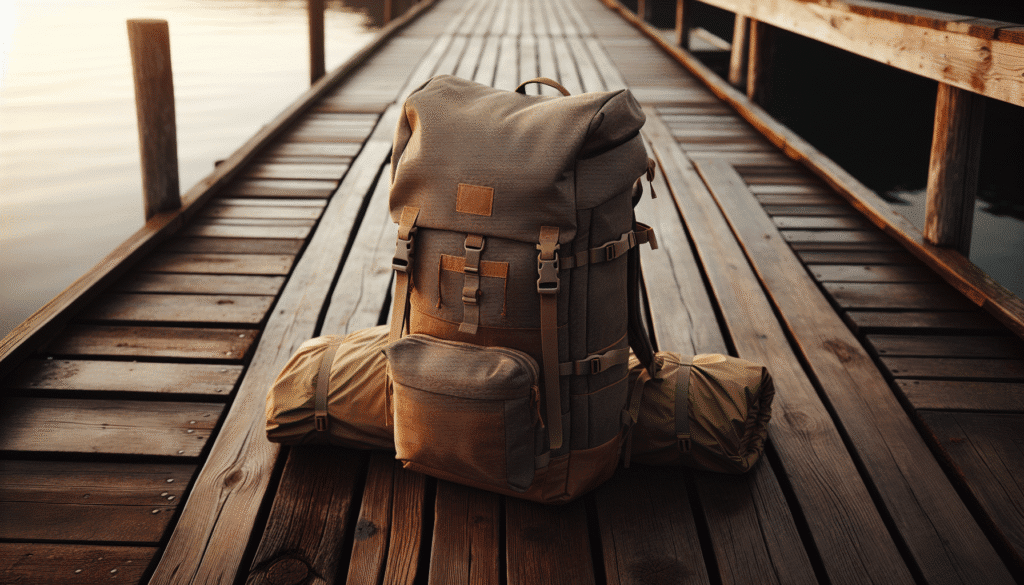
A well-maintained backpack lasts longer and performs better. Little maintenance goes a long way.
Cleaning Your Travel Backpacks
Empty the Travel Backpacks and brush off dirt. Spot clean with mild soap and lukewarm water for small stains. For full cleans, follow manufacturer instructions: many nylon packs can be hand-washed; machine washing is often discouraged.
Protecting Zippers and Hardware of Travel Backpacks
Keep zippers free of dirt and sand. Lubricate zippers with wax or silicone products designed for outdoor gear. Replace broken buckles or zippers quickly to avoid worse damage.
Storing Your Travel Backpacks
Store your pack partially unzipped in a cool, dry place to allow ventilation. Avoid compressing foam back panels and straps for long-term storage.
Repairs and Warranty of Travel Backpacks
Small repairs like torn webbing or broken buckles can be fixed at outdoor stores or with DIY patches. Many brands offer lifetime or long-term warranties — check details before purchasing.
Top Features to Pay More For vs Save On
Not all features are worth splurging on. Prioritize what delivers real benefits for your travel style.
Worth Paying More For
- Ergonomic suspension and a padded hip belt if you carry heavy loads.
- High-quality zippers (YKK) and robust buckles.
- Durable, water-resistant fabrics if you travel in harsh conditions.
- Thoughtful organizational design for daily access and tech protection.
Features to Save On
- Superfluous external branding and cosmetic details.
- Extra weight from excessive padding if you prioritize ultralight travel.
- Built-in accessories you won’t use (e.g., integrated tripods for non-photographers).
Recommended Brands and Models (Categories) of Travel Backpacks
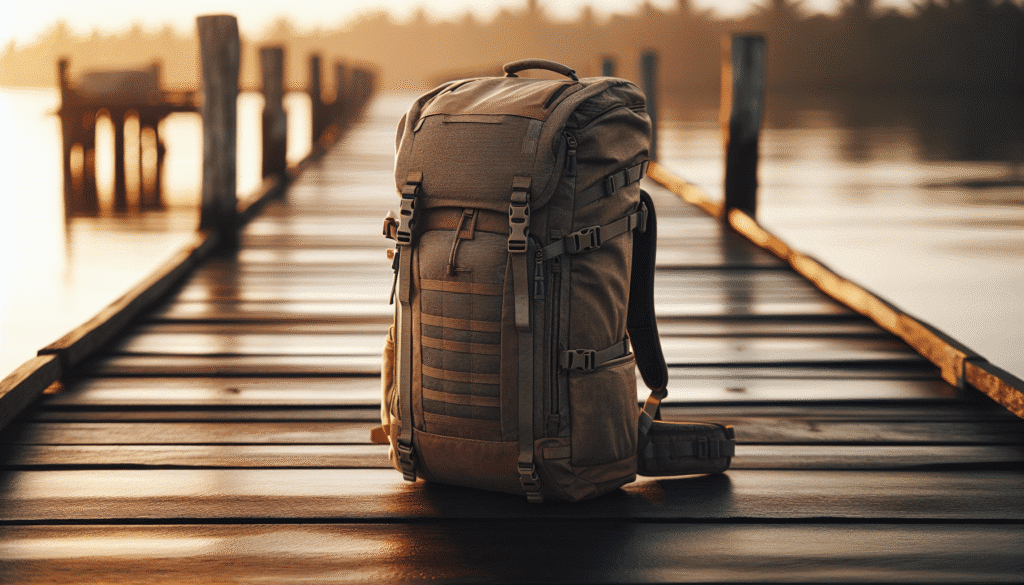
Here are examples of reputable brands and pack types you can consider in 2025. Use these recommendations as starting points — always try before you buy when possible.
Reliable Brand Categories
- Technical Backpacking: Osprey, Gregory, Arc’teryx, Deuter
- Travel/Cargo-Oriented Packs: Tortuga, Peak Design, Nomatic, Patagonia
- Camera/Hybrid Packs: Peak Design, Lowepro, MindShift
- Lightweight / Ultralight: Hyperlite Mountain Gear, Zpacks, Gossamer Gear
- Budget Options: REI Co-op, Kelty, Thule (entry-level)
Model Selection Tips for Travel Backpacks
When comparing models, read feature lists carefully and look for reviews that match your intended use. Look for up-to-date 2025 model revisions that often improve durability, weight distribution, and carry-on compatibility.
Buying Travel Backpacks Tips: Where to Try, Return Policies, Warranty
Make your purchase decision with practical considerations in mind.
Try Before You Buy Travel Backpacks
If possible, try packs with weight in a store or at an outdoor retailer that allows test fittings. A real-world test will reveal fit issues that specs can’t.
Check Return Policies
Buy from retailers with generous return windows so you can test the pack on a real trip. Online purchases are fine if you know the return policy and the brand’s sizing.
Confirm Warranty and Repair Support
Look up the brand’s warranty and repair services. A good warranty and reliable customer service can save you money if issues arise.
Final Checklist Before You Buy Travel Backpacks
Before you commit, run through this quick checklist to confirm Travel Backpacks will serve you well:
- Does it fit your torso and hip measurements?
- Is the capacity appropriate for your typical trips?
- Does it meet carry-on size limits you commonly encounter?
- Are the materials and hardware durable for your travel conditions?
- Does the access style match your packing preference?
- Have you tested it with weight and movement?
- Is the price proportional to the features you need?
FAQs for Travel Backpacks
You likely have a few questions. Here are common ones with concise answers.
How heavy should empty Travel Backpacks be?
Aim for a balance: under 3 lbs (1.4 kg) is light for a 30–40L pack, but some higher-quality, more durable packs may weigh 3–5 lbs. For larger backpacking packs (50–70L), expect more weight due to suspension systems.
Can I use a hiking backpack for city travel?
Yes, but be mindful that hiking packs often lack organization for electronics and may look more technical. If you prioritize comfort on trails and occasional city use, they can work well.
Is hard-sided luggage better than a backpack?
It depends on your travel style. Hard-sided bags protect fragile items and are easier to roll through airports, but backpacks are more versatile in mixed-terrain travel and are better suited for places without smooth surfaces.
How do I prevent theft while backpacking urban areas?
Use lockable zippers, carry a small chest or money belt for valuables, keep a low-profile appearance, and be mindful in crowded places. Consider anti-theft bags with hidden compartments.
Conclusion Travel Backpacks
Choosing the perfect Travel Backpacks is about matching the pack to your trip length, travel style, and body fit. Prioritize a comfortable suspension, appropriate capacity, durable materials, and the access style that fits how you pack. Try packs with realistic weight, compare features against your real needs, and buy from retailers or brands that offer good return windows and warranty support. With the right backpack, you’ll travel more comfortably, stay organized, and protect your gear for many journeys to come.
If you want, you can tell me the type of trips you take most often and your typical pack size preference, and I’ll suggest a few models and features that match your needs.