
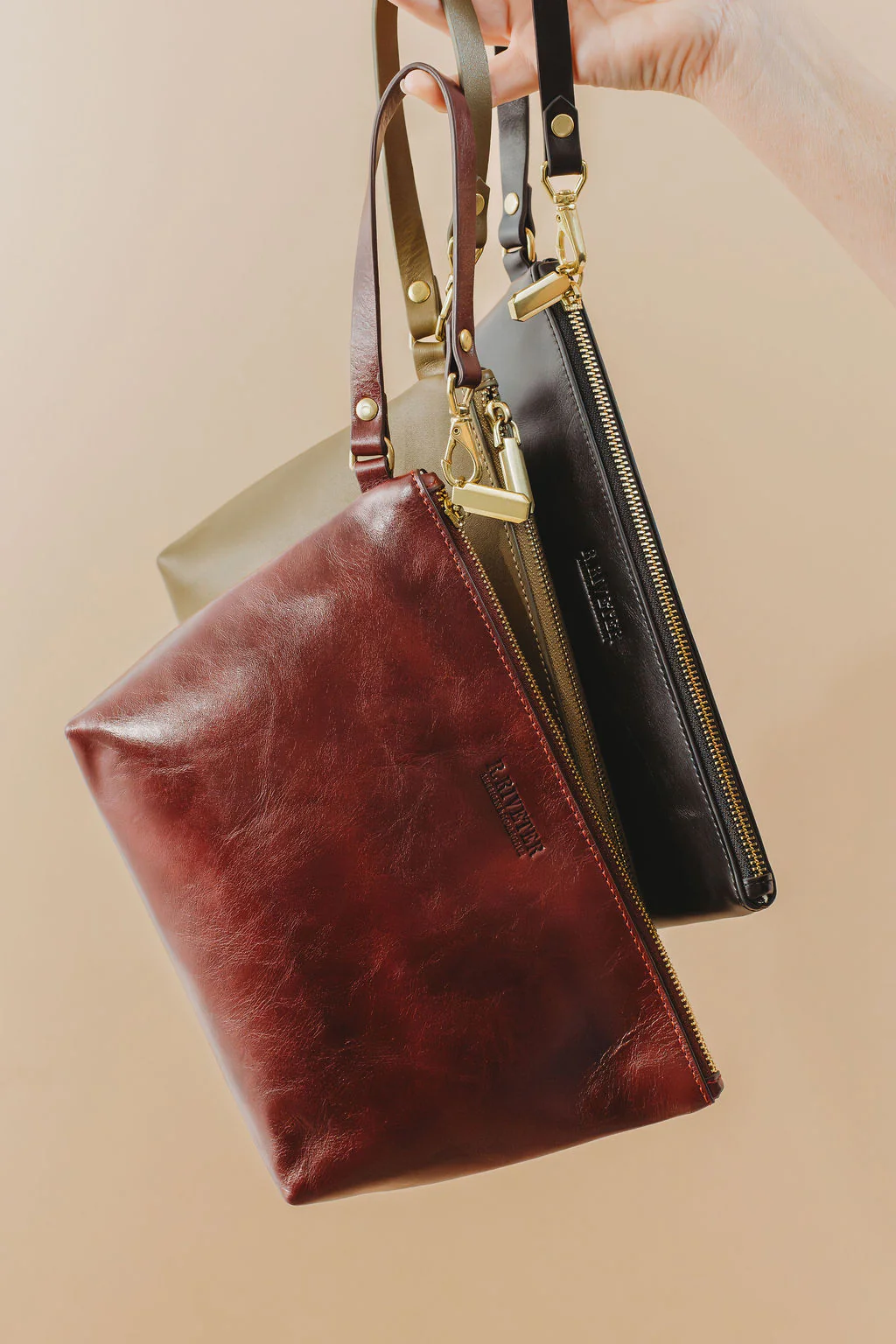
Want to get the most life, style, and function out of your Riveter Handbags from R.Riveter? If yes, then read this guide thoroughly.
Riveter Handbags Complete Guide to Styling Materials Care 2025
This Riveter Handbags guide walks you through everything you need to know about styling, material choices, daily care, cleaning, storage, and repairs for Riveter Handbags. You’ll find practical tips that help your bag look great longer, match your wardrobe, and stay useful through years of wear.
Why Riveter Handbags Stand Out
Riveter Handbags from R.Riveter are known for blending classic, functional design with durable materials and handcrafted details. You’ll notice signature rivet accents, sturdy hardware, and thoughtfully designed compartments that prioritize real-world use. Many of their pieces are made with a focus on craftsmanship and durability, which means you’re investing in an accessory built to last.
Understanding the Materials Used in Riveter Handbags
Knowing the materials in your Riveter Handbags helps you choose the right styling, cleaning methods, and maintenance schedule. Here you’ll find a breakdown of the most common materials used in Riveter handbags.
Leather Types in Riveter Handbags
Leather is a dominant material in many Riveter designs. Each leather type behaves differently over time, so you should choose based on the look you want and how much maintenance you’re willing to do.
- Full-grain leather: The most durable and natural-looking; develops a rich patina with use. You’ll enjoy long-term character but should expect to condition it periodically.
- Top-grain leather: Slightly more processed for a smoother finish. It resists stains better than full-grain but won’t patina in the same way.
- Oil-tanned leather: Treated with oils to create a water-resistant, rugged finish. It’s great for casual or outdoor styles and ages with bold character.
- Vegetable-tanned leather: A more natural tanning process that yields a firm feel and warm tones. It can be more sensitive to water but takes on an attractive aged look.
Suede and Nubuck
Suede and nubuck offer soft, velvety textures. They add a luxe, tactile element to your outfit but require more protection against water and stains. You’ll want to use protective sprays and specific brushes for upkeep.
Canvas and Waxed Canvas
Canvas adds a casual, lightweight option and is often used in travel or everyday bags. Waxed canvas increases water resistance and develops a lived-in appearance. Canvas is easier to clean than suede, but stains can be visible on lighter colors.
Linings and Interior Fabrics in Riveter Handbags
Interior linings vary from cotton twill to nylon and sometimes leather. Cotton linings are breathable but can stain easily, while nylon linings are more stain-resistant and easier to wipe clean. Knowing your lining material helps you respond to spills quickly and appropriately.
Hardware: Buckles, Rivets, and Zippers in Riveter Handbags
Hardware plays a major role in both durability and aesthetics. Riveter often uses solid brass, antique-finish metal, or plated hardware that ages differently. Brass develops a patina — if you like the aged look, avoid polishing it too often. Zippers should be kept clean and lubricated for smooth operation.
Riveter Handbags Materials Comparison Table
| Material | Look/Feel | Durability | Water Resistance | Care Level |
|---|---|---|---|---|
| Full-grain leather | Natural, rich patina | Very high | Moderate (improves with conditioner) | Moderate (conditioning) |
| Top-grain leather | Smooth, uniform | High | Moderate | Low–Moderate |
| Oil-tanned leather | Rustic, rugged | High | High | Moderate (keeps oils) |
| Vegetable-tanned leather | Firm, warm tones | High | Low–Moderate | Moderate (avoid heavy moisture) |
| Suede/Nubuck | Soft, velvety | Medium | Low | High (protective sprays, brushing) |
| Waxed canvas | Stiff, textured | High | High | Low–Moderate (rewax as needed) |
| Cotton lining | Soft, breathable | Medium | Low | Low (spot clean) |
| Nylon lining | Smooth, resilient | High | High | Low (wipe clean) |
Choosing the Right Riveter Handbags for Your Style
Selecting a bag is as much about function as it is about fashion. Consider how you use your bag day-to-day to match style and size to your needs.
Work and Professional Looks in Riveter Handbags
For work, choose a structured tote or brief-style bag in full-grain or top-grain leather. You’ll want a bag with compartments for a laptop, documents, and everyday essentials. Neutral tones like black, brown, or deep tan pair well with business attire and create a polished look.
Casual Everyday Looks
If you favor casual outfits, look for crossbody or satchel styles in oil-tanned leather or waxed canvas. These materials match denim, knitwear, and relaxed silhouettes. Adjustable straps mean you can wear the bag high or low depending on your outfit.
Travel and Weekend Bags
Duffels and larger totes in durable canvas or oil-tanned leather work best for travel. Choose pieces with reinforced straps and secure closures. Waxed canvas offers good water resistance, and leather accents add structure.
Evening and Minimalist Looks
Smaller purses, clutches, or compact crossbodies in smoother top-grain leather suit evening looks. A clean silhouette with minimal hardware gives a refined impression. Metallic hardware can elevate a simple outfit without being flashy.
Color and Texture Coordination Tips for Riveter Handbags
Matching your Riveter Handbags to your wardrobe is about balance. You’ll want to consider color, texture, and scale.
- Color basics: Neutral bags match nearly everything. If you choose a statement color, make it the focus by keeping the rest of your outfit toned down.
- Texture pairing: Pair smooth leathers with textured fabrics (wool, tweed) for contrast, or match suede bags with soft knits for a cohesive feel.
- Scale matters: If your outfit is heavily patterned, choose a simpler bag. If your outfit is monochrome, a textured or boldly colored bag can lift the look.

Styling Riveter Handbags with Accessories
Your Riveter Handbags should coordinate with other accessories for a pulled-together look.
- Shoes and belts: Match leather tones for a cohesive, intentional appearance. If your bag has an aged brass finish, choose shoes or belt hardware that complements it.
- Jewelry: Metal hardware on your bag should harmonize with your jewelry. For example, antique brass hardware pairs nicely with gold-toned jewelry.
- Scarves and straps: Swapping a strap or tying a scarf onto your bag adds personality and can refresh a look without buying a new piece.
How to Break In New Leather
New leather can feel stiff. Breaking it in properly will make it more comfortable and give it character.
- Use the bag regularly: Carry it with typical weight to help the leather soften.
- Condition sparingly: Apply a small amount of leather conditioner to areas that feel particularly stiff. Test on an inconspicuous area first.
- Bend and flex straps gently: This helps the creases form naturally without risking cracks.
Daily Care Habits for Riveter Handbags
Small daily actions keep your bag looking good for years. These routines are simple but effective.
- Empty and shake out: At the end of the day, remove debris and receipts to prevent stains and odors.
- Wipe down hardware: Use a soft cloth to remove oils that can discolor metal.
- Spot clean immediately: Address spills on linings or exterior fabric quickly to prevent permanent stains.
- Use a dust bag: Store your bag in its dust bag when not in use to protect it from dust and light.

Riveter Handbags Cleaning and Conditioning Leather
Leather needs cleaning and occasional conditioning to stay supple and attractive. Follow these gentle, safe steps.
General Leather Cleaning Steps for Riveter Handbags
- Empty the bag and remove loose dirt with a soft brush or dry cloth.
- Use a damp cloth with a mild leather cleaner specifically formulated for upholstery or bags. Test in an inconspicuous spot first.
- Wipe gently, avoiding excessive moisture.
- Dry naturally away from direct heat or sunlight.
Conditioning Leather
Conditioning replenishes natural oils and reduces the risk of cracking.
- Choose a leather conditioner suitable for your leather type.
- Apply a small amount to a soft cloth and rub gently in circular motions.
- Allow the conditioner to absorb, then buff off any excess with a clean cloth.
- Condition once or twice a year for most leathers; for oil-tanned pieces, follow product-specific advice.
Cleaning Suede and Nubuck
Suede and nubuck require specialized care to avoid flattening the nap or leaving water spots.
- Use a suede brush to lift dirt and revive the nap.
- For small stains, a white eraser or suede eraser can remove marks gently.
- Avoid water; if suede gets wet, blot with a clean towel and let it air dry, then revive the nap with a brush.
- Apply a protective suede spray before regular use to resist stains.
Cleaning Canvas and Textile Bags
Canvas and waxed canvas are low-maintenance but need attention for major stains.
- Spot-clean with a mild detergent and water using a soft brush or cloth.
- For waxed canvas, avoid harsh detergents and never machine-wash; reapply wax as needed to restore water repellency.
- Dry canvas naturally; don’t use high heat.
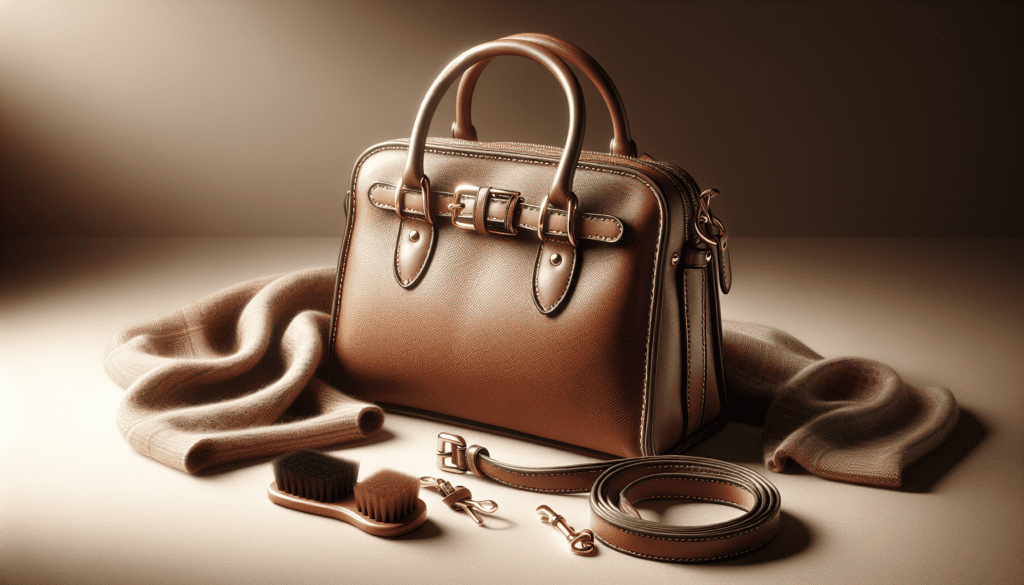
Riveter Handbags Stain-Removal Quick Reference Table
| Stain Type | Material | Quick Steps |
|---|---|---|
| Water spot | Full-grain leather | Blot, let dry, condition lightly |
| Oil/grease | Leather | Sprinkle cornstarch, let sit, brush off, clean with leather cleaner |
| Ink | Leather | Dab (don’t rub) with leather cleaner; professional help if deep |
| Mud | Canvas/Leather | Let dry, brush off, spot clean with mild soap |
| Wine/coffee | Fabric lining | Blot, spot-clean with mild detergent, air dry |
| Salt | Leather | Wipe with damp cloth, dry, condition to restore oils |

Removing Common Stains from Riveter Handbags — Step-by-Step
Oil or Grease on Leather
- Blot excess immediately with a clean cloth.
- Apply cornstarch or talcum powder to absorb oil; leave overnight.
- Brush off powder and clean gently with a leather cleaner.
- Condition the area afterward.
Ink on Leather
- Dab gently with a cloth slightly dampened with isopropyl alcohol (test first).
- If ink persists, seek professional leather restoration to avoid damage.
Water Stains on Suede
- Blot excess moisture.
- Let dry naturally.
- Use a suede brush to lift the nap and restore texture.
Hardware Care and Polishing of Riveter Handbags
Riveter Handbags Hardware will age with use. If you prefer a shiny look, polish selectively.
- Wipe hardware with a microfiber cloth to remove oils.
- Use a metal polish suitable for the hardware type; test on a hidden spot.
- Avoid getting polish on leather; protect surrounding areas with tape or cloth.
- For brass that you prefer to age, avoid polishing and let a natural patina develop.
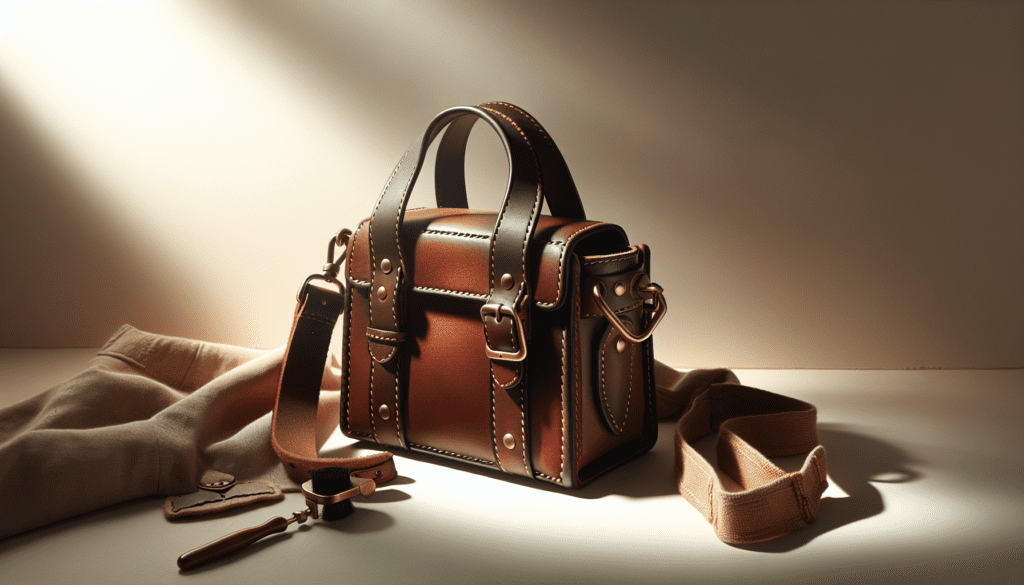
Storage Best Practices for Riveter Handbags
How you store your bag affects its shape and longevity. Follow these tips to prevent damage.
- Fill with acid-free tissue paper to maintain shape but avoid overstuffing.
- Store in a breathable dust bag — not plastic — to allow air circulation.
- Keep away from direct sunlight and extreme humidity or dryness.
- Avoid hanging heavy bags by straps for long periods; store flat or upright with support.
Seasonal Care of Riveter Handbags
Seasons change the conditions your Riveter Handbags faces. Adjust care routines accordingly.
- Summer: Protect from sun and sweat. Wipe down straps and linings more frequently.
- Rainy season: Use water-repellent sprays on appropriate materials and dry the bag thoroughly after exposure.
- Winter: Salt and moisture from boots can stain lower bag areas; wipe immediately and use leather conditioner afterward.
Travel Tips
Travel puts bags through extra stress. Prepare your Riveter Handbags for the journey with these tips.
- Lockable compartments: Use the bag’s secure compartments for passport and valuables.
- Pack light: Carry only what you need to avoid unnecessary strain on straps and seams.
- Use packing cubes or internal pouches to prevent spills inside the bag.
- For airline travel, consider a bag with reinforced straps and a protective exterior.
Repairs and When to Seek Professional Help
Minor scuffs and loose threads are normal over time. You can handle some repairs yourself, but for structural or extensive damage, professional service is best.
DIY Fixes You Can Do
- Tighten loose stitching with a small sewing kit if confident.
- Replace removable straps with new ones from the brand or a similar hardware match.
- Minor scuffs on leather can often be buffed out and conditioned.
When to Seek Repair Services
- Broken rivets, hardware that has detached, or heavy seam damage require professional repair.
- If a zipper is broken internally, don’t force it; a cobbler or bag repair specialist can replace it properly.
- For deep stains or ink that hasn’t lifted, professional cleaning prevents further harm.
Best Quality ity, Warranty, and Where to Buy
To ensure you get a genuine Riveter bag with access to warranty or repair services, buy from authorized retailers or directly from the brand. Keep receipts and product registration details in case you need repairs or warranty support.
- Check the manufacturer’s site for warranty details and authorized dealer lists.
- Keep documentation and photos of the bag when purchased; this helps with Best Quality ity verification and claims.
Sustainability and Longevity of Riveter Handbags
You can make a significant environmental impact by caring for your bag rather than replacing it frequently. Riveter’s focus on quality materials and repairability supports longer product life. By choosing durable materials, maintaining them, and repairing rather than discarding, you’ll reduce waste and enjoy a better value over time for your Riveter Handbags.
Customization and Personalization of Riveter Handbags
You may personalize your Riveter Handbags with straps, charms, monograms, or patches. Before adding permanent modifications, consider resale value and warranty terms. Many customizations (interchangeable straps, removable embellishments) give you style variety without altering the bag’s structure.
Common Questions You Might Have about Riveter Handbags
How often should you condition leather of Riveter Handbags?
Conditioning frequency depends on use and climate. A general rule is once every 6–12 months for regular use, more frequently in dry climates, and less if the leather is oil-tanned and already maintains its oils.
Can you get water damage out of leather?
Superficial water spots can be minimized by blotting, drying, and conditioning. Severe water exposure might cause color changes or stiffness, which can be improved but not always fully reversed.
Is waxing canvas reversible?
Re-waxing is a standard maintenance step for waxed canvas and is reversible in the sense that you can adjust or remove wax treatments, but it does change the fabric’s feel and water resistance characteristics over time.
Final Checklist for Everyday Riveter Handbags Care
- Wipe down after heavy use and clean spills immediately.
- Condition leather periodically based on material and climate.
- Protect suede with a spray and brush regularly to maintain the nap.
- Store in a dust bag filled lightly to preserve shape.
- Inspect hardware and stitching periodically and handle minor repairs promptly.
Closing Tips for Riveter Handbags
Treat your Riveter Handbags as an investment: the right choices in material, regular care, and timely repairs extend its life and enhance its appearance. With consistent attention, your bag will not only serve your functional needs but also develop character that reflects your personal style.
If you have a specific Riveter model and want tailored care instructions or styling suggestions, tell me the model name and the material, and I’ll provide customized guidance.