
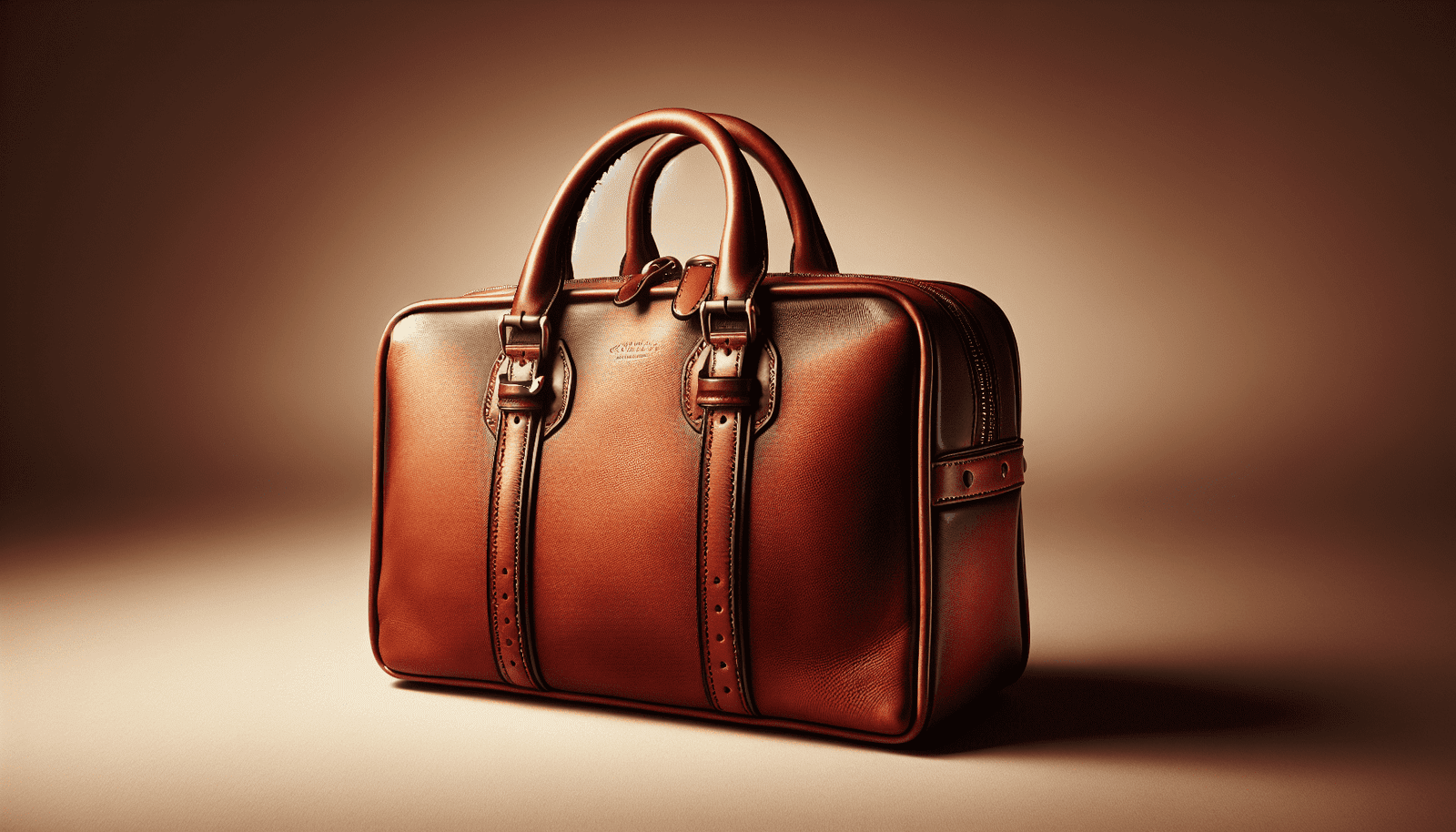
Have you ever wondered how to choose Premium Leather Bags that look great and last for years while keeping the Leather Bag in top condition?
Selection of Premium Leather Bags and Care in 2025
This article gives you practical, friendly guidance on selecting and caring for Premium Leather Bags selection and prime care in 2025 . You’ll learn how leather is made, how to tell quality at a glance, how to clean and maintain different finishes, and how to make informed decisions when buying or repairing Premium Leather Bags. Follow these tips and you’ll get more life, beauty, and value from your Bag investment.
Why choose Premium Leather Bags
Premium Leather Bags combine durability, timeless style, and patina that develops with use. When you buy quality leather, you’re usually getting materials that age gracefully, strong construction, and classic design. Those characteristics make leather bags suitable for daily use, travel, and professional environments.
Beyond aesthetics, premium leather often offers superior strength and resistance to wear compared with cheaper synthetic alternatives. If you care for it properly, a well-made leather bag can last decades and even become a signature part of your wardrobe.
Benefits you’ll notice immediately after buying Premium Leather Bags
You’ll feel the weight and structure of Premium Leather Bags, notice how the leather smells, and see how hardware and stitching match the overall quality. These sensory details often indicate long-term value: better zippers, reinforced seams, and higher-grade hides usually mean fewer surprises later.
Types of leather used in Premium Leather Bags and what they mean for you
Knowing leather types helps you choose the look and performance you want. Not every leather is the same; how the hide is prepared, finished, and dyed affects durability, texture, and maintenance needs.
| Leather Type | Description | Look Feel | Pros | Cons |
|---|---|---|---|---|
| Full-grain | Top layer of hide left intact with natural grain | Rich, textured; develops patina | Most durable; ages beautifully | More expensive; shows natural marks |
| Top-grain | Surface slightly sanded or buffed to remove imperfections | Smooth, uniform | Durable; takes finish well | Less character; may not patina as naturally |
| Corrected-grain | Sanded and embossed to hide flaws | Even, sometimes glossy | More affordable; consistent look | Less natural; can peel if cheap finish |
| Bonded leather | Small leather scraps bonded with polyurethane | Variable; often looks artificial | Cheap; used for low-cost bags | Poor durability; peels quickly |
| Nubuck | Top-grain buffed to create a velvety nap | Soft, suede-like | Luxurious feel | Shows marks and stains; needs careful care |
| Suede | Inner split of hide with fibrous surface | Soft, textured | Soft and pliable | Easily stained; less water-resistant |
| Aniline / Semi-aniline | Aniline: dyed only; semi-aniline: small surface finish | Natural grain visible | Rich color; natural look | Aniline stains easily; semi-aniline more protected |
Choosing the right type Premium Leather Bags for your lifestyle
If you want an heirloom-quality piece that develops a characterful patina, full-grain or aniline leather is ideal. If you prefer Premium Leather Bags with a consistently uniform look and easier stain resistance, consider top-grain or semi-aniline finishes. For casual, soft styles, nubuck or suede can be beautiful but require more careful upkeep.
How leather for Premium Leather Bags is made and why it matters to you
Understanding tanning and finishing of prime leather helps you make informed buying and care decisions. Tanning stabilizes the hide, while finishing affects appearance, protection, and maintenance.
Tanning methods for Premium Leather Bags
- Vegetable tanning: Uses plant-based tannins and produces firm, structured leather that develops a deep patina. It’s more eco-friendly in some respects and ideal for structured bags, belts, and straps.
- Chrome tanning: Faster and produces softer, more pliable leather. It’s common in many modern leather goods and supports vibrant colors and flexible shapes.
Your choice: Vegetable-tanned leather will age and darken over time; chrome-tanned leather tends to keep its original color and softness.
Dye and finish types in Premium Leather Bags
- Aniline: No surface pigment; leather is dyed through and retains natural marks. You’ll get a very natural look but less surface protection.
- Semi-aniline: Light surface finish added to increase protection while maintaining a natural appearance.
- Pigmented (finished) leather: Has a surface coating that gives uniform color and better stain resistance.
Your choice: If you want a leather bag that requires less frequent maintenance, choose semi-aniline or pigmented finishes. If you value natural character and are ready to care for it, aniline offers unmatched beauty.
How to select the right Premium Leather Bags for your needs
Buying Premium Leather Bags is an investment. Think about how you’ll use it and check construction details to ensure it matches your daily routine.
Consider size and function
Decide what you typically carry: laptop, books, gym clothes, daily essentials. Choose a Leather Bag that organizes these items without stretching seams or bulging the leather. A slightly larger bag used occasionally is fine, but an undersized bag used daily will deteriorate quickly.
Style and formality
Select a design that fits your lifestyle: crossbody for hands-free days, tote for daily commuting, briefcase for professional settings, or a rucksack for casual use. Leather styles can be formal or casual; the finish often determines that—smooth, polished leathers read formal, while distressed leathers read casual.
Hardware and fittings in Premium Leather Bags
Check zippers, clasps, and buckles for solid metal construction. Brass or stainless steel hardware tends to last longer than plated alternatives. Hardware should move smoothly and be securely anchored to the bag.
Stitching and seams
Inspect stitching for consistency and density. High-quality bags use reinforced stitching at stress points (strap bases, zipper ends). Look for saddle stitching or lock stitching with thick thread—this signals durability.
Lining and interior of Premium Leather Bags
Choose breathable, durable lining materials: cotton canvas is common and easy to clean, while microfiber or suede linings offer a luxury feel. Multiple compartments and padded laptop sleeves can protect devices and distribute weight.
Straps and ergonomics
Straps should be wide enough to distribute weight and have reinforced attachment points. Removable or adjustable straps add versatility. Make sure the strap length is comfortable for your height and typical carry style.
What to inspect when buying Premium Leather Bags in-person and online checklist
Whether you shop in-store or online for Premium Leather Bags, certain checks protect you from poor purchases. Use this checklist when comparing options.
| Item | What to look for | Why it matters |
|---|---|---|
| Leather smell | Natural, tannery scent; avoid chemical or plastic odors | Strong chemical smell can mean heavy finishes or low-quality bonding |
| Grain and texture | Natural variations for full-grain; uniform for finished leathers | Indicates type of leather and Best Quality ity |
| Stitching | Even, tight, reinforced stress points | Prevents seams from opening |
| Hardware | Solid metal, smooth operation | Cheap hardware breaks and reduces bag life |
| Edges | Finished or painted cleanly | Prevents fraying and water intrusion |
| Lining | Durable material, clean seams | Affects interior longevity and ease of cleaning |
| Labeling/Tags | Tanning info, country of origin, care instructions | Transparency often signals higher-quality production |
| Return policy/warranty | Clear terms, repair support | Protects your purchase investment |
Tips for online shopping for Premium Leather Bags
Ask for close-up photos of stitching, seams, and the interior. Request details about tanning and finish if not listed. Check the retailer’s return policy and read customer reviews for long-term wear reports.
Daily care of Premium Leather Bags: small habits that make a big difference
Routine habits extend the life of your leather bag. They’re quick and effective.
- Empty and shake out the bag regularly to remove debris that can abrade the lining.
- Rotate bags so the same one isn’t used every day; this gives leather time to rest and recover.
- Use a dust bag or breathable cotton pillowcase for storage to minimize dust buildup.
- Wipe with a soft, dry cloth weekly to remove surface dust.
These habits prevent surface dirt from embedding in the leather and reduce stress on seams.
Quick-care products to keep on hand
- Soft, lint-free cotton cloths
- Soft-bristled brush (for suede / nubuck)
- Neutral saddle soap or mild leather cleaner
- Leather conditioner/cream appropriate for the leather type
- Water-repellent spray for finished leather (avoid on aniline)
Keep products minimal and targeted to your leather type; over-cleaning can cause more harm than good.
Cleaning leather safely of Premium Leather Bags: step-by-step
Cleaning differs by leather type. Always test any product on an inconspicuous spot before full application.
For aniline, full-grain, and top-grain leather
- Remove dust with a dry, soft cloth.
- If needed, dampen a cloth with distilled water and gently wipe the surface.
- For grime, use a mild leather cleaner or diluted saddle soap applied sparingly with a damp cloth.
- Wipe off residue and let air dry naturally, away from direct heat.
- Apply a small amount of leather conditioner once dry to replenish oils.
For nubuck and suede
- Use a soft suede brush to lift dirt and restore nap.
- For stains, use a suede eraser or gently rub with a specialized brush.
- Avoid water; moisture can leave permanent marks unless treated by a professional.
For pigmented/finished leather
- Wipe with a damp cloth to remove dirt.
- Mild soap is acceptable for tougher spots.
- Use a leather protectant for added water resistance as directed.
What to avoid while cleaning Premium Leather Bags
- Household cleaners, alcohol, acetone, and bleach
- Excess water or soaking
- Direct heat sources (hairdryers, radiators)
- Overuse of oil-based products (can darken or weaken some finishes)
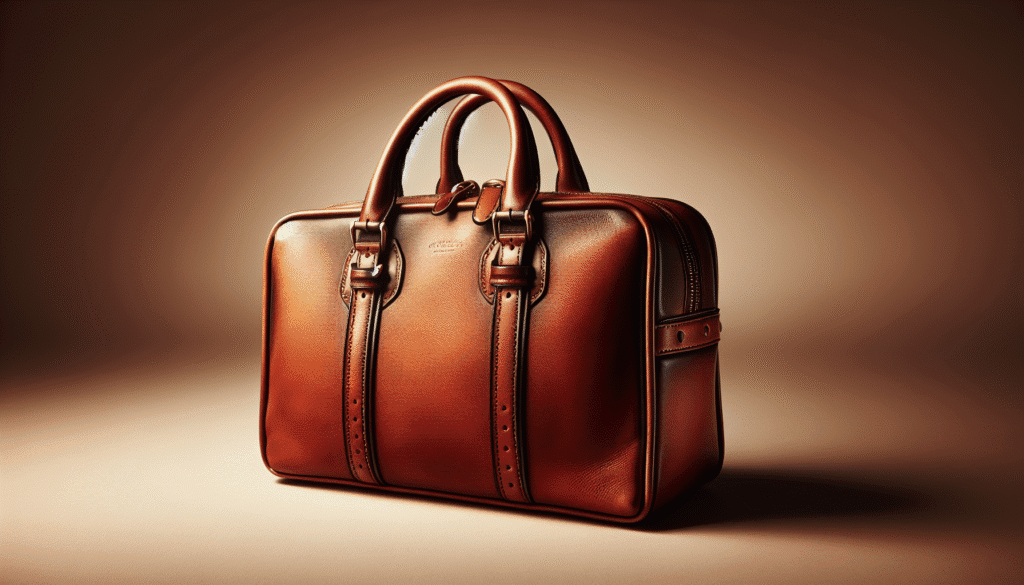
Removing common stains from Premium Leather Bags: practical solutions
You’ll likely face water spots, oil stains, ink, and salt stains on Premium Leather Bags. These require different treatments.
Water rings
- Lightly dampen the entire panel with distilled water, then pat dry with a cloth to help blend the ring.
- Condition after drying to restore oils.
Oil and grease
- Blot (don’t rub) immediately with an absorbent material (paper towel, cornstarch).
- Leave cornstarch or talc on the spot for several hours, then brush off.
- Clean lightly and condition; if the stain persists, consult a professional.
Ink stains
- Ink is challenging. Dab with a cloth slightly moistened with isopropyl alcohol for very small spots—test first.
- For valuable pieces, use a professional cleaner to avoid spreading or discoloration.
Salt stains (from winter roads)
- Mix equal parts water and white vinegar, lightly apply with a cloth, and wipe off gently.
- Condition after fully drying to restore leather flexibility.
Mold and mildew
- Move the bag to a dry, ventilated area.
- Gently wipe with a cloth dampened with equal parts water and rubbing alcohol; test first.
- Let the bag dry fully and condition; store in a breathable bag to prevent recurrence.
If a stain is extensive or the leather is aniline, consider professional cleaning to avoid damage.
Conditioning and protection of Premium Leather Bags: how often and what to use
Conditioning replenishes natural oils and keeps leather supple. Incorrect products or frequency can harm leather, so match conditioner to leather type.
Conditioning schedule for Premium Leather Bags
- Full-grain / aniline: Condition every 6–12 months or when leather feels dry.
- Top-grain / semi-aniline: Condition every 6–9 months.
- Pigmented leather: Less frequent conditioning; every 9–12 months or as needed.
- Suede / nubuck: Avoid oily conditioners; use specialized sprays for protection.
Choosing a conditioner
Look for pH-balanced leather creams or conditioners formulated for the specific leather type. Avoid heavy oils (neatsfoot or excessive mink oil) on delicate or finished leathers—they can darken or create greasy films. For vegetable-tanned leather, select a product that won’t create a heavy coating; a light beeswax-based balm can offer protection and enhance water resistance for more rugged styles.
Protectant sprays for Premium Leather Bags
Use a water-resistant protector on finished leathers to repel moisture and reduce staining. Do not use waterproofing sprays on aniline leather unless explicitly recommended by the Leather Bag Manufacturer, because they can alter the natural look.
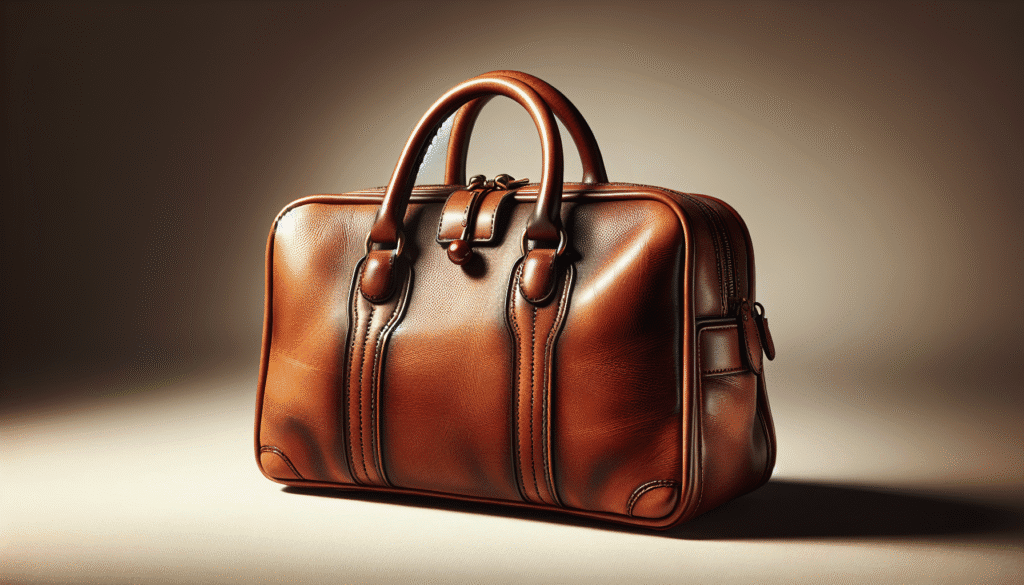
Storage: how to keep your Premium Leather Bags when not in use
Proper storage prevents deformation, fading, and mold.
- Stuff the Premium Leather Bags with acid-free tissue, bubble wrap, or a clean cloth to maintain shape. Avoid newspaper (ink transfer).
- Store in a breathable dust bag or cotton pillowcase; avoid plastic which traps moisture.
- Keep in a cool, dry place away from direct sunlight to prevent fading and drying out.
- For long-term storage, condition the leather lightly beforehand and check periodically for mold or dryness.
Traveling with Premium Leather Bags
When traveling, use a protective cover or wrap in cloth to reduce scratches. Keep valuables in interior pockets and avoid overfilling. For plane travel, avoid checking high-value leather bags; carry them on if possible.
Repairs and when to seek a professional
Small issues you can often handle at home; bigger problems may require expert attention.
DIY fixes
- Loose threads: trim close to the leather; don’t pull.
- Minor scuffs: buff gently with a soft cloth; apply a small amount of conditioner if appropriate.
- Hardware tightness: tighten small screws or replace split rings if you’re comfortable.
When to go pro
- Deep cuts or tears in leather
- Major staining that home methods can’t remove
- Re-dyeing large areas for color restoration
- Structural repairs: re-lining, strap replacement, or major seam repair
A professional leather restorer can often return a bag close to its original condition and preserve its value.
Sustainability and leather ethics: what you should know
If sustainability matters to you, consider where and how the leather was sourced and tanned. Ethical and environmental factors influence quality and your purchase conscience.
Tanning impacts
- Vegetable tanning uses natural tannins and often avoids harmful chemicals, but requires time and space.
- Chrome tanning uses heavy metals (chromium) and requires careful handling and wastewater treatment to avoid environmental harm.
Certifications and traceability of Premium Leather Bags
Look for brands that provide transparency about sourcing, tanning processes, and certifications such as Leather Working Group (LWG) compliance. These indicators suggest better environmental practices and worker conditions.
Alternatives and recycled options
If you want leather-like aesthetics with better environmental credentials, consider responsibly produced recycled leather, bio-based leathers, or high-quality vegan alternatives—but be aware that longevity and repairability often remain advantages for genuine leather.
Cost versus value: how to justify a premium bag
Premium leather bags often cost more upfront, but consider cost-per-year of use. A high-quality bag maintained properly can outlast multiple cheaper bags, reduce waste, and often maintain resale value.
Questions to ask yourself
- How often will you use the bag?
- Is workmanship visibly superior (stitching, hardware, leather grade)?
- Does the brand offer repair services or warranties?
- Can you envision using this bag in different contexts (work, travel, daily)?
If the answers favor durability and longevity, a premium bag may be a smart investment.
Frequently asked questions about Premium Leather Bags
How can you tell genuine leather from synthetic?
Genuine leather has natural grain variations and a warm leather smell. Synthetic materials often look uniform, have a plasticky feel, and lack the characteristic depth of real hides. Check edges: leather has fibrous edges, while synthetics often have a uniform layered look.
Will leather stretch over time?
Yes, leather stretches slightly with use, especially where it bears weight (straps or corners). High-quality construction and periodic conditioning reduce excessive stretching.
Can Premium Leather Bags get wet?
Light moisture is usually fine for finished leather; pat dry and condition after. For prolonged exposure or heavy rain, use a water-resistant protector beforehand and dry slowly away from heat. Suede and nubuck require special care and are more sensitive to moisture.
How long should Premium Leather Bags last?
With proper care, decades. Many full-grain leather bags outlive their owners when maintained correctly.
Is leather vegan-friendly?
No. Genuine leather is animal-derived. If you want a non-animal option, look for high-quality vegan leathers with good durability and repairability.
How do you remove scratches?
Light scratches can often be minimized by gently rubbing with a soft cloth and applying a small amount of conditioner. Deep scratches or gouges may require professional repair or re-dyeing.
Are darker or lighter leathers easier to maintain?
Darker leathers often disguise stains and scuffs more readily; lighter colors show marks more easily. However, maintenance needs depend more on finish and use than color alone.
Should you store leather bags in plastic?
No. Plastic traps moisture and can encourage mold growth. Use breathable fabric dust bags instead.
Quick pre-purchase checklist for buying Premium Leather Bags
- Leather type and tanning method disclosed
- Clear photos or physical inspection of grain and stitching
- Solid metal hardware and reinforced stress points
- Comfortable strap length and secure attachments
- Lining material and internal organization suitable for your needs
- Return policy and warranty information
- Care instructions available from the manufacturer
Final thoughts about Premium Leather Bags
Choosing and caring for a premium leather bag is a rewarding process when you know what to look for and how to maintain it. You’ll get the most value by selecting the right type of leather for your lifestyle, inspecting construction details, and committing to simple care routines. Whether you purchase full-grain for an heirloom or semi-aniline for everyday resilience, thoughtful selection and regular maintenance will keep your bag looking its best and performing reliably for years.
If you want, tell me what kind of bag you’re considering (style, how you’ll use it, and your budget), and I can recommend specific features to prioritize and a care plan tailored to that bag.