

Have you ever held Luxury Handbags and wondered what goes into making these Designer Bags so special and how to keep it looking its best?
Luxury Handbags Ultimate Guide to Craftsmanship in 2025
This guide walks you through the craftsmanship, materials, maintenance, and long-term care of Luxury Handbags so you can enjoy your Bag for years. You’ll learn to identify quality, prevent damage, perform routine care, and find professional help when needed.
Why Luxury Handbags Matter
Luxury Handbags combine design, function, and heritage. You’ll appreciate how a well-made Branded Bag elevates an outfit, carries essentials comfortably, and can hold sentimental or investment value over time.
Understanding why these Luxury Handbags pieces are valued helps you make better buying and care decisions. It’s not only about logo recognition; it’s about materials, skillful construction, and thoughtful design.
What Defines Luxury Handbags
Luxury in Luxury Handbags refers to quality of materials, level of craftsmanship, exclusivity, brand heritage, and attention to detail. You’ll notice subtleties that distinguish a luxury bag from mass-market items, from stitch consistency to hardware weight.
Global Fashion Brands often invest in artisanal techniques, small production runs, and rigorous quality control, which all contribute to the final product’s perceived and real value.

Materials of Luxury Handbags: The Foundation of Quality
Materials determine durability, appearance, and feel. You’ll want to know common materials and how they behave over time so you can choose and care for your bag appropriately.
Common Leathers Used in Luxury Handbags
In Luxury Handbags, Leather varieties each have unique textures, strengths, and care requirements. Understanding these will help you clean and store your bag correctly.
- Calfskin: Smooth, durable, and often used for structured bags. It’s resistant to everyday wear but benefits from conditioning.
- Lambskin: Soft and luxurious, but more delicate and prone to scratches. It requires gentle handling and specialized care.
- Cowhide/Full-grain: Thick and robust with natural grain. It can develop character with age and is generally easier to maintain.
- Pebbled/Grained Leather: Textured surface hides small scratches and is very practical for daily wear.
- Patent Leather: Glossy, coated leather that resists moisture but can show scuffs and may suffer from cracking if not stored well.
- Saffiano: Cross-hatched coating that is scratch-resistant and easy to clean, often used for everyday luxury styles.
Exotic Leathers and Specialty Materials in Luxury Handbags
Exotic skins add unique textures and exclusivity but demand careful handling. You’ll need to confirm ethical sourcing and legal compliance when buying items made from exotic skins.
- Ostrich: Soft with quill patterns; flexible and luxurious.
- Python: Distinct scale patterns; sensitive to humidity and temperature.
- Crocodile/Alligator: High-end, durable, and expensive; requires specialized care.
- Suede/Nubuck: Soft, velvety nap that shows marks easily and needs protective sprays and careful brushing.
Fabrics, Canvases, and Coatings in Luxury Handbags
Non-leather materials include coated canvases and technical fabrics in Luxury Handbags. These can offer water resistance and durability with less maintenance than natural leathers.
- Coated Canvas: Often used for signature prints; easy to clean and forgiving of spills.
- Jacquard/Woven Fabrics: Decorative but may require more careful cleaning to avoid snags.
- Technical/Nylon: Lightweight, practical, and often machine-washable in limited situations.
Hardware, Stitching, and Trimmings of Luxury Handbags: Small Details That Matter
Hardware and stitching in Luxury Handbags affect longevity and aesthetic. You’ll notice that heavier, well-finished hardware and consistent stitches indicate better construction.
Types of Hardware in Luxury Handbags and Their Care
Zippers, clasps, chains, and logos in Luxury Handbags are usually made from plated metals, brass, or stainless steel. Proper care prevents tarnishing and mechanical failure.
- Polished metal: Clean with a soft cloth; avoid abrasives.
- Gold or palladium plating: Avoid harsh chemicals; dry immediately after water exposure.
- Leather-wrapped hardware: Keep dry to prevent adhesives from failing.
Stitching Techniques in Luxury Handbags
Stitching quality is a key indicator of craftsmanship in Luxury Handbags. You should examine stitch spacing, tension, and how edges are finished.
- Machine stitching: Common but can be excellent when done precisely.
- Saddle hand-stitching: Extremely durable and common in high-end leather goods.
- Edge painting and burnishing: Sealed edges prevent moisture penetration and fraying.
Linings, Seams, and Interior Details of Luxury Handbags
Interiors in Luxury Handbags are not just practical; they reflect brand standards. You’ll want to check lining material, seam reinforcement, and compartment design to ensure items are protected and organized.
Construction Techniques: How Luxury Bags Are Made
Construction methods influence durability and feel. You’ll appreciate the craftsmanship behind techniques like edge finishing, interlining, and frame setting in Luxury Handbags.
Patterning and Cutting
Precise patterning and cutting ensure pieces align and hang correctly. High-end houses often hand-cut leather to optimize grain continuity and minimize waste.
You’ll notice irregularities in mass-produced items that may not be acceptable in luxury pieces.
Edge Work and Burnishing in Luxury Handbags
Edges receive particular attention. Burnishing, edge paint, and folding techniques protect seams and improve aesthetics.
Well-finished edges indicate time invested in finishing; rough or raw edges suggest lower quality.
Interfacing and Structure
Internal interfacings—such as stiffeners, hide glue, or foam—give a bag its shape. Quality brands use materials that maintain structure while allowing flexibility where needed.
You’ll want structure that supports the bag’s form without causing cracking or unwanted stiffness.
Handles, Straps, and Attachment Points in Luxury Handbags
Attachment points and strap construction in Luxury Handbags are stress areas. Reinforcement with rivets, backing leather, and proper stitching is essential for longevity.
Pay attention to where straps meet the Bag and how the hardware is secured; these are the most common failure points.
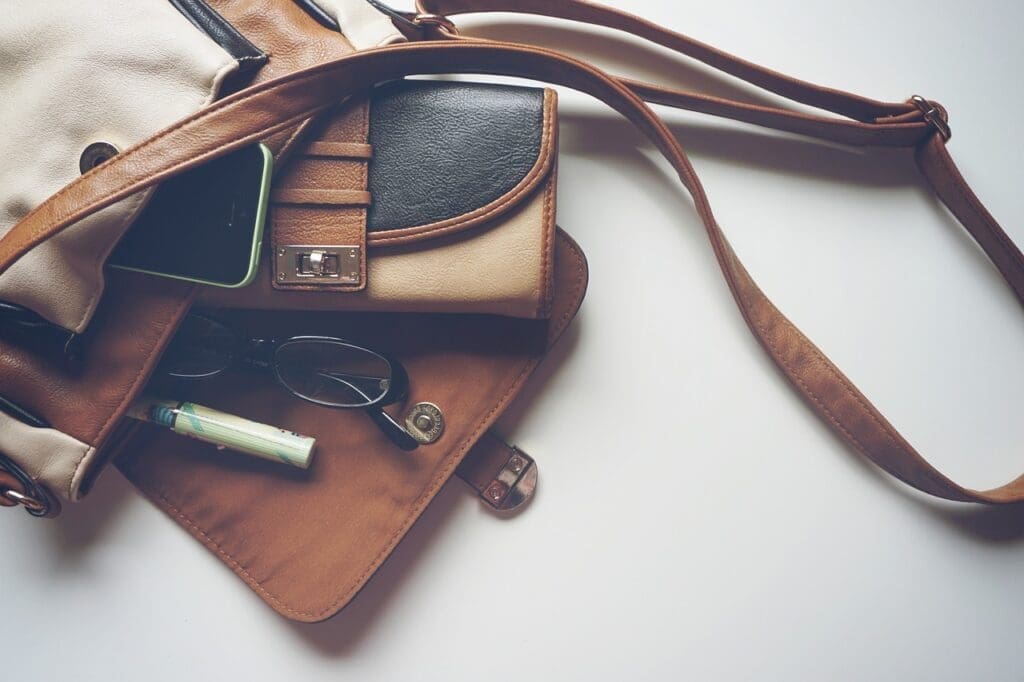
Identifying Quality of Luxury Handbags: What to Inspect When Buying
Knowing how to evaluate Luxury Handbags helps you avoid regrets. You’ll want to inspect pattern alignment, zipper function, hardware weight, and the smell of the leather.
Visual Checklist for Luxury Handbags
- Stitching: Tight, even, and with no loose threads.
- Edges: Cleanly finished and consistent painting/burnishing.
- Hardware: Heavy and well-plated, without flaking or discoloration.
- Lining: Securely attached with no puckering.
- Logo/Stamping: Crisp and accurately placed.
Functional Tests
- Zip and clasp action: Smooth and secure.
- Handle comfort: Ergonomic and well-attached.
- Shape retention: Try pressing the bag to see if it springs back or remains misshapen.
Best Quality ity Markers for Luxury Handbags
Luxury brands use serial numbers, date codes, holograms, and specific interior stamps. Research brand-specific cues and ask for documentation when buying secondhand.
Best Quality ation: How to Confirm Best Quality ity of Luxury Handbags
Best Quality ating Luxury Handbags protects you from counterfeit products and makes resale easier. You’ll want to know brand-specific tells as well as general signs of Best Quality ity.
Brand-Specific Signs
- Serial numbers and date codes: Check placement and format against verified guides.
- Logo fonts and placements: Subtle differences reveal replicas.
- Hardware engravings: Replica Shoes hardware often has precise engraving and consistent finishes.
Third-Party Best Quality ation of Luxury Handbags
You can use professional services or reputable apps to Best Quality ate items. These services use photo analysis, serial checks, and expert knowledge.
If you’re unsure, obtaining professional Best Quality ation reduces the risk of purchasing a fake.
Routine Care: Daily Habits to Preserve Your Designer Bag
Daily habits dramatically extend the life of your handbag. You’ll adopt simple routines that prevent common wear and tear.
Handling Tips for Luxury Handbags
- Clean hands: Oils and lotions transfer quickly; keep your hands clean before touching.
- Rotate bags: Give each bag a rest to avoid excessive wear.
- Avoid overloading: Keep weight within recommended limits to prevent strap and seam stress.
Quick Daily Care
- Wipe exterior with a soft cloth.
- Re-shape soft bags with tissue when empty.
- Air out interior occasionally to prevent odors.
Cleaning and Maintenance of Luxury Handbags: What You Can Do at Home
Regular, careful cleaning keeps materials healthy. You’ll learn which products to use and which to avoid for different materials.
General Cleaning Guidelines for Luxury Handbags
- Test first: Always test cleaners on an inconspicuous area.
- Use soft, lint-free cloths and gentle motions.
- Avoid soaking or submerging leather.
Leather Cleaning and Conditioning
- Remove surface dust with a dry cloth.
- Use a pH-balanced leather cleaner applied sparingly.
- Dry naturally; never use heat.
- Follow with a suitable leather conditioner to replenish oils.
Conditioners should be used sparingly and infrequently to avoid saturating the leather.
Suede and Nubuck Care
- Use suede brushes to lift nap and remove stains.
- Erase light marks with a suede eraser.
- Apply a protective spray for water and stain resistance, testing first.
Coated Canvas and Fabric Cleaning
- Wipe spills quickly with a damp cloth.
- For deeper cleaning, use mild soap and water; rinse and dry immediately.
- Avoid machine washing unless the brand explicitly permits it.
Hardware Polishing
- Wipe metal parts with a soft cloth after use to remove fingerprints.
- Use metal polishes cautiously and only on bare metals that are not plated.
- For plated hardware, prefer a damp cloth and mild soap; always dry immediately.
Stain-Specific Approaches
Use targeted approaches for different stains. Below is a quick reference table.
| Stain Type | Material | Best Immediate Action | Long-Term Care |
|---|---|---|---|
| Water spots | Smooth leather | Blot and air dry; dab with leather conditioner once dry | Condition and buff to even tone |
| Oil/grease | Most leathers | Blot excess, sprinkle cornstarch or talc overnight | Brush off powder; professional cleaning if deep |
| Ink | Smooth leather | Dab with isopropyl alcohol on cotton swab (test first) | Professional cleaning recommended |
| Dye transfer | Light-colored leather | Clean with mild leather cleaner; may not fully remove | Professional restoration likely needed |
| Scuffs on patent | Patent leather | Wipe with damp cloth; use mineral oil/petroleum jelly for minor scuffs | Avoid harsh solvents; professional for deep damage |
| Suede water stains | Suede/nubuck | Blot, allow to dry, brush nap | Use suede protector; professional for heavy stains |
Storage of Luxury Handbags: Long-Term Preservation
Proper storage prevents deformation, discoloration, and pest damage. You’ll need to store bags in a climate-controlled environment and use supportive interiors.
Best Practices for Luxury Handbags
- Store in dust bags or breathable cotton bags, not plastic.
- Keep bags upright and stuffed with acid-free tissue to maintain shape.
- Use silica packets in humid climates to control moisture.
Climate Considerations
- Ideal storage: cool, dry, and dark.
- Avoid direct sunlight to prevent fading.
- Avoid basements and attics where humidity and temperature fluctuate.
Hanging vs. Laying Flat
- Don’t hang heavy bags for long periods as straps can stretch.
- Lay flat or stand upright on a shelf with supportive packing.
Repairs and Professional Services for Luxury Handbags: When to Seek Help
Not all damage can be fixed at home. You’ll need to know when to consult professionals for restoration, hardware replacement, or lining repair.
Common Repairs
- Re-stitching seams and handles.
- Zipper replacement.
- Repainting or re-edge finishing.
- Hardware replacement and re-plating.
- Lining replacement or cleaning.
Choosing a Repair Specialist
- Look for experienced leather artisans or brand-authorized service centers.
- Ask for before-and-after photos and references.
- Request a detailed quote and turnaround time.
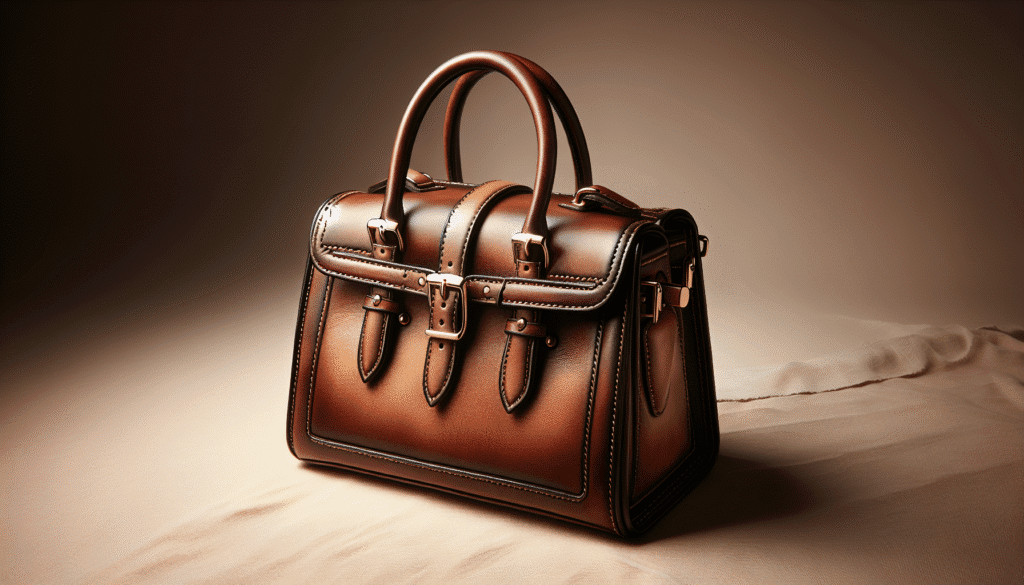
Restorations and Reconditioning of Luxury Handbags
Restoration can return Luxury Handbags to near-original condition but can be costly. You’ll weigh the sentimental or monetary value against repair expenses.
- Color restoration: Re-dying can even out fading but requires professional skill.
- Structural repairs: Replacing interfacings or stiffeners should be done by professionals to retain shape.
- Full restorations: Consider for high-value or heirloom items only.
Professional Cleaning vs. DIY: Pros and Cons
Know when professional cleaning is worth the cost. You’ll save time and risk by using pros when stains are severe or when dealing with delicate materials.
- DIY pros: Lower cost and convenience for minor cleaning.
- DIY cons: Risk of irreversible damage from wrong products or techniques.
- Professional pros: Specialized equipment and expertise.
- Professional cons: Cost and potential wait times.
Insurance and Appraisals of Luxury Handbags
Insuring valuable handbags protects you against theft, loss, or severe damage. You’ll want proper documentation and appraisals to support claims.
Appraisal Tips
- Obtain a professional appraisal for vintage or high-value bags.
- Keep receipts, original packaging, and Best Quality ation paperwork.
- Update appraisals periodically to reflect market value.
Insurance Options
- Homeowners or renters insurance: Often covers personal items but check limits and deductibles.
- Specialty insurance: Policies designed for high-value accessories may cover full replacement.
Buying Secondhand Luxury Handbags: How to Buy Smart
Buying Replica Jewelry can be cost-effective and sustainable if you know what to look for. You’ll look for Best Quality ity, condition, and provenance.
Questions to Ask Sellers
- Do you have proof of purchase or Best Quality ity?
- Has the bag been repaired or restored?
- Are there any odors, stains, or structural issues?
Inspecting Condition
- Ask for detailed photos of interior, corners, serial numbers, and hardware.
- Look for consistent patina or uneven discoloration signs.
- Pay attention to the condition of handles—these show the most wear.
Investment and Resale Value
Some Luxury Handbags appreciate over time. You’ll better predict resale value by considering rarity, condition, and market trends.
Factors That Increase Value of Luxury Handbags
- Limited editions and discontinued models.
- Iconic styles with consistent demand.
- Excellent provenance and minimal wear.
How to Maintain Resale Value of Luxury Handbags
- Keep original dust bags, boxes, receipts, and Best Quality ity cards.
- Maintain the bag’s condition through careful storage and occasional professional upkeep.
- Avoid irreversible customizations that might limit future buyers.
Ethical and Environmental Considerations
Luxury brands face scrutiny over sourcing and environmental impact. As a buyer, you can make informed choices about sustainability and ethics.
What to Look For in Luxury Handbags
- Transparency on sourcing of exotic skins and compliance with CITES and other regulations.
- Use of responsibly sourced leather and traceability programs.
- Brands that invest in recycling, eco-friendly materials, and reduced waste.
Alternatives and Innovations
- Vegetable-tanned leather vs. chrome-tanned leather: Vegetable tanning is more environmentally friendly but can age differently.
- Recycled materials and plant-based leathers: Emerging options exist but vary widely in longevity and care needs.
Seasonal Care Tips
Different seasons demand different approaches. You’ll adjust care routines to protect your bags from humidity, salt, snow, or extreme heat.
Summer and Humid Weather
- Use silica packets to control humidity.
- Avoid leaving bags in hot cars to prevent leather warping and glue failure.
- Wipe off salt or sunscreen promptly.
Winter and Cold Weather
- Keep leather conditioned to prevent drying and cracking.
- Wipe away salt stains from sidewalks immediately.
- Avoid exposing bags to sudden temperature changes.
Travel Tips for Your Luxury Handbag
Travel exposes bags to extra wear and theft risk. You’ll prepare your handbag to stay secure and presentable while on the move.
- Use crossbody straps for security in crowded places.
- Keep valuables in inner zipped compartments.
- Pack dust bags and tissue paper to protect your bag when not in use.
Common Myths About Luxury Handbags Care
You’ll hear many myths that can harm your bag if followed. Here are a few to ignore:
- Myth: Oiling leather daily is good. Reality: Over-oiling leads to saturation and accelerated wear.
- Myth: Plastic bags protect from dust. Reality: Plastic traps moisture and fosters mold.
- Myth: All leather cleaners are the same. Reality: pH and formulation matter greatly; use products designed for the specific leather.
Quick Reference Table: Care Products and When to Use Them
| Product | Use Cases | Frequency |
|---|---|---|
| Soft cotton cloth | Dusting and gentle wiping | Daily or as needed |
| Leather cleaner (pH-balanced) | Surface cleaning for smooth leather | Quarterly or as needed |
| Leather conditioner | Replenish oils and prevent drying | 2–4 times per year |
| Suede brush/eraser | Lift nap and remove light marks | As needed |
| Protective spray (suede/fabric) | Water and stain resistance | Before use and reapply periodically |
| Microfiber cloth | Polishing hardware and delicate surfaces | As needed |
| Silica gel packets | Moisture control in humid climates | Replace seasonally |
When to Replace your Luxury Handbags
Even with great care, there may be a time when replacement is the most sensible option. You’ll consider replacement when repairs cost more than the bag’s value or when structural integrity is compromised.
Signs It’s Time to Replace
- Irreparable staining or odor.
- Severe structural damage to seams, lining, or hardware.
- When repairs would alter or diminish the design and value.
Frequently Asked Questions (FAQs)
You’ll often have quick questions about everyday care. Below are concise answers to common concerns.
Q: How often should I condition my leather bag? A: Generally 2–4 times per year, depending on climate and usage. Test a small area first.
Q: Can I use household cleaners on a luxury bag? A: No. Household cleaners can strip finishes and damage leather or hardware. Use products designed for fine leather goods.
Q: Is it okay to store a leather bag in a plastic bag? A: No. Plastic traps moisture and encourages mold. Use breathable fabric dust bags instead.
Q: How do I remove an ink stain? A: Ink is difficult; dab with isopropyl alcohol on an inconspicuous spot and consult a professional if the stain persists.
Q: Can I put my bag in the washing machine? A: Only if the brand explicitly states the item is machine-washable. Most luxury materials should never be machine washed.
Final Thoughts about Luxury Handbags
You’re caring for more than a functional accessory—you’re preserving a crafted object with aesthetic, sentimental, and potential financial value. By learning about materials, construction, and proper maintenance, you’ll keep your luxury handbags looking beautiful and functioning well for years.
Treat each Luxury Bag as an investment in style and craftsmanship. With mindful handling, appropriate cleaning, secure storage, and professional support when needed, you’ll enjoy your handbag’s beauty and utility for a long time to come.