
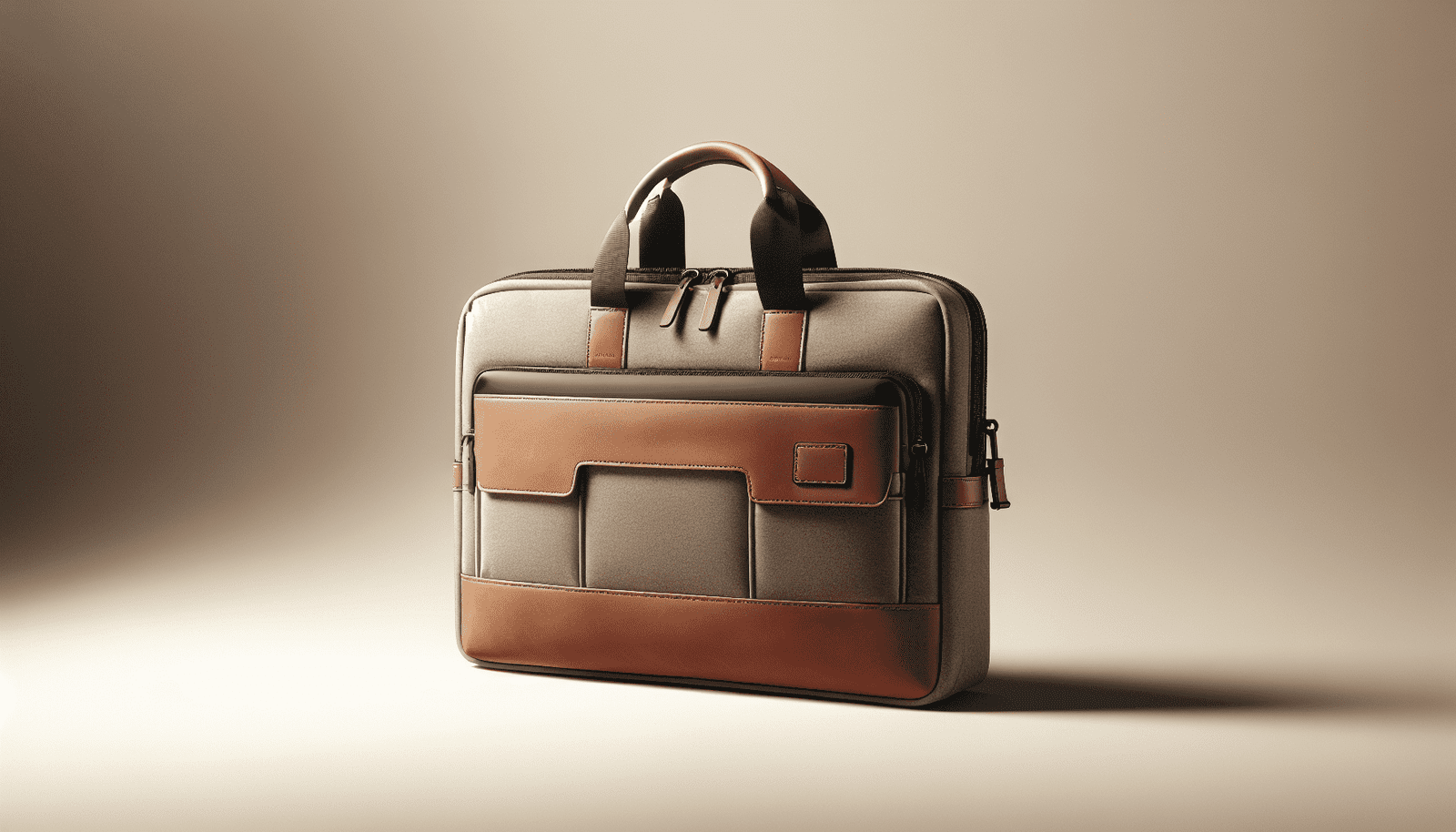
Looking for the perfect Laptop Bags that fit your lifestyle, protects your gear, and still looks good on you?
Laptop Bags Ultimate Guide 2025
This guide gives you everything you need to choose, pack, and care for Laptop Bags in 2025. You’ll learn what matters most when selecting a bag, which materials last longest, how to organize your tech, and recommendations for specific uses. Read through the sections that apply to you and use the checklists to make a confident purchase.
Why the right Laptop Bags matter
Choosing the right Laptop Bags affect more than just how your laptop looks when you carry it. The right Laptop Bags protect your device from bumps, weather, and theft, while also keeping your accessories organized and reducing strain on your body. You’ll find that a good match improves daily comfort and makes travel simpler.
Protection and security of Laptop Bags
You want Laptop Bags that cushion and stabilize your laptop. Look for padded sleeves, internal straps, and suspension designs that prevent direct impact. Features like lockable zippers and RFID-blocking pockets give extra security for your electronics and cards.
Ergonomics and comfort in Laptop Bags
Carrying heavy Laptop in poorly designed Laptop Bags can cause shoulder and back pain. Choose Laptop Bags with ergonomic straps, a supportive back panel, and a weight distribution that suits how you move. Ventilated back panels and padded shoulder straps make longer commutes less tiring.
Professional impression and style of Laptop Bags
Your Laptop Bags are often part of your first impression. You can opt for a sleek leather briefcase for client meetings or a minimalist backpack for tech-forward workplaces. The right style helps you present a consistent professional identity.
Types of Laptop Bags
Different Laptop Bags styles suit different activities and preferences. Below you’ll find a breakdown, with the situations where each type shines. Use this as a quick reference to narrow down what you want.
Backpack Laptop Bags
Backpacks distribute weight evenly and are versatile for commuting, travel, and campus life. They often offer multiple compartments and better comfort for longer wear. If you walk, cycle, or have a heavy load, a backpack is usually the best pick.
Messenger Bags for Laptops
Messenger Bags provide easy access while standing and tend to look more professional than casual backpacks. They’re a good option when you need to reach items quickly and still want a polished appearance. However, they can create shoulder strain with heavy loads.
Briefcase Laptop Bags
Briefcases are the classic business option and usually have a structured shape to keep your laptop flat. They work well for formal environments and presentations. Many modern briefcases now include padded laptop pockets and optional shoulder straps.
Sleeve
A sleeve gives minimal protection and focuses on portability. It’s great if you already have a bag and simply want an extra layer for your laptop or if you prefer a slim, lightweight solution. Sleeves don’t add organizational pockets or significant cushioning.
Tote
Totes blend casual style with the capacity to carry a laptop in daily life. They’re popular with those who want a fashionable, easy-to-access bag. Look for internal padding and secure closures if you choose a tote for laptop transport.
Rolling case
Rolling cases are ideal when you have heavy gear or regularly move through airports. They reduce strain on your shoulders but can be bulky in crowded, urban settings. Rolling cases are excellent for photographers, engineers, and frequent business travelers.
Convertible/Modular bags
Convertible bags change between backpack, briefcase, or messenger modes, offering flexibility for varied needs. Modular bags let you add or remove compartments for different tasks. These are strong choices if you want one bag to serve many roles.
Sling bags
Sling bags are compact and great for carrying a small laptop or tablet. They’re convenient for short trips and light loads. Sling bags are not ideal for heavy laptops or extended carrying periods.
Portfolio and folio
Portfolios emphasize slim profiles and professional look, typically for tablets and thin laptops. They’re best for meetings and presentations where minimalism is key. Protection is limited compared to more padded options.
Rucksacks
Rucksacks combine rugged materials and large internal capacity, often used for outdoor enthusiasts or those carrying heavy equipment. They provide space for cables, external drives, and camera gear while remaining durable.
Comparison of laptop bag types
| Type | Best for | Laptop protection | Comfort | Professional look |
|---|---|---|---|---|
| Backpack | Commuters, students | High | High | Varies |
| Messenger | Urban commuters, couriers | Medium | Medium | Medium-High |
| Briefcase | Business professionals | Medium-High | Medium | High |
| Sleeve | Minimalists | Low | High (when paired) | Low |
| Tote | Casual/professional blend | Low-Medium | Medium | Medium |
| Rolling case | Frequent travelers | High | High (wheeled) | Medium |
| Convertible | Multi-use users | Medium-High | High | Varies |
| Sling | Light travel | Low | High (short trips) | Low |
| Portfolio | Presentations | Low-Medium | High (short) | High |
| Rucksack | Outdoor, gear-heavy | High | High | Low-Medium |

Choosing the right size and fit
Size matters more than many people realize. If your bag is too small you’ll strain zippers and seams; too big and your laptop will slide and get damaged. You’ll want a bag that fits your laptop snugly while leaving room for chargers and a few accessories.
Measuring your Laptop Bags
Measure the laptop’s diagonal screen size, but also record the width, depth, and thickness including any protective case. Compare those dimensions to the bag’s internal measurements. If the bag lists compatible sizes (e.g., 13″, 15″, 16″), verify fit with the laptop’s actual dimensions.
Internal padding and compartment layout
Look for a dedicated laptop compartment that’s padded on multiple sides. A suspended compartment—where the laptop sits slightly elevated from the bag’s base—helps protect against shocks. Consider internal dividers if you carry a monitor, tablet, or camera gear.
Weight and dimensions for travel
If you fly frequently, check the bag’s external dimensions for carry-on compatibility. Lightweight materials reduce overall load but may sacrifice durability. For long walks or cycling, prioritize ergonomic features over compact profiles.
Materials and durability of Laptop Bags
Materials affect weight, weather resistance, and longevity. Your choice should balance appearance and functionality depending on how you use the bag.
Nylon and ballistic nylon
Nylon, particularly ballistic nylon, is extremely durable and abrasion-resistant. It stands up well to daily wear and is commonly used in performance-oriented bags. It resists tearing and usually has good water resistance with coatings.
Polyester and recycled polyester
Polyester is affordable and can be treated for water resistance. Recycled polyester lowers environmental impact while maintaining similar durability. Polyester is less expensive but can show wear sooner than ballistic nylon.
Leather (full-grain, top-grain, PU)
Leather offers a premium, professional appearance and can last many years if cared for. Full-grain is most durable and develops character with age. PU leather gives the look for less cost but doesn’t age as gracefully and is less breathable.
Canvas and waxed canvas
Canvas is rugged and often used in casual and outdoor styles. Waxed canvas provides excellent water resistance and a vintage aesthetic. It can be heavier, so consider the added weight if you commute daily.
Hybrid and weatherproof coatings
Some bags use mixed materials—leather accents with nylon bodies—or coatings like TPU and DWR for water resistance. Weatherproof zippers and sealed seams boost protection during storms. These hybrids can offer a smart balance between style and function.
Material comparison table of Laptop Bags
| Material | Durability | Weather resistance | Weight | Appearance | Maintenance |
|---|---|---|---|---|---|
| Ballistic nylon | Very high | High (coated) | Medium | Technical | Low |
| Polyester | Medium | Medium | Light | Versatile | Low |
| Recycled polyester | Medium | Medium | Light | Eco-friendly | Low |
| Full-grain leather | Very high | Low-Medium | Heavy | Premium | Medium-High |
| Top-grain leather | High | Low-Medium | Heavy | Classic | Medium |
| PU leather | Medium | Low | Light | Imitation leather | Low |
| Canvas | High | Medium (waxed high) | Heavy | Casual | Medium |
| Waxed canvas | High | High | Heavy | Vintage | Medium |
Features to prioritize in Laptop Bags
Certain features make daily life easier and protect your gear better. Think about what you use every day and choose a bag that supports your workflow.
Laptop compartment design (padded, suspended)
A well-designed laptop compartment is the single most important feature. Padded enclosures with closed bottoms or suspension reduce impact damage. Ensure padding is dense rather than just thick foam—it should absorb shock, not compress instantly.
Organization pockets and modularity
Multiple pockets help you separate cables, drives, chargers, pens, and notebooks. Modular compartments or removable organizers are useful if your gear set changes frequently. Look for zippered mesh pockets for small items and stretch pockets for bottles.
Security features (zippers, locks, RFID)
Lockable zippers, hideaway pockets, and RFID-blocking linings add layers of protection. These features are especially useful if you travel or carry sensitive data. Consider bags with slash-resistant straps if you walk in areas where purse-snatching is a concern.
Comfort features (straps, back panel, load distribution)
Padded shoulder straps, sternum straps, hip belts, and airflow back panels enhance comfort. If your commute involves walking or cycling, sternum and hip belts help stabilize the load.
Travel features (trolley sleeve, TSA compliance) of Laptop Bags
A trolley sleeve makes airport transit smoother by slipping over rolling luggage handles. TSA-friendly features, such as lay-flat compartments, speed up security checks. Consider wheeled options if you frequently travel with heavy equipment.
Charging and cable management
Some bags include pass-through USB ports, internal cable channels, or dedicated power bank pockets. These features keep your devices charged and prevent cable tangles. You’ll appreciate them when you need power on the go.
Expandability and compression
Expandable compartments let you adjust capacity for travel or bigger loads. Compression straps stabilize items and minimize bulk, keeping the bag compact when not full.
Sustainability and ethical sourcing
If environmental impact matters to you, look for brands using recycled materials, eco-friendly dyes, and repairable components. Ethical production and warranties can extend the life of your bag and reflect responsible choices.
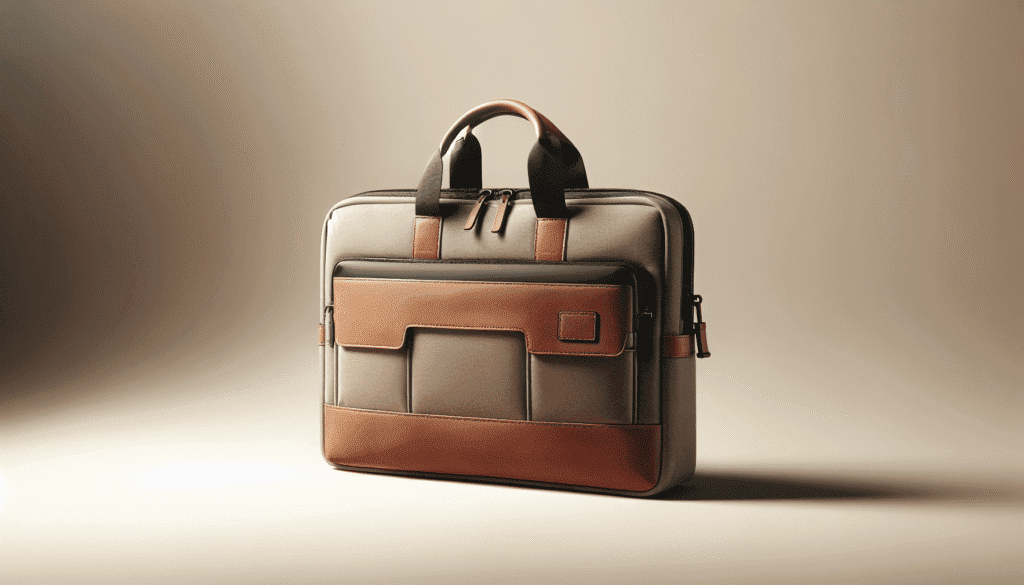
Features checklist (quick) in Laptop Bags
- Padded, dedicated laptop sleeve
- Suspension or raised base
- Ergonomic straps and ventilated back
- Lockable or hidden zippers
- Multiple organization pockets
- Trolley sleeve for travel
- Weather-resistant material and zippers
- USB/pass-through charging options
- Expandable compartments or compression straps
- Brand warranty and repair program
Style and use-case recommendations
Different lifestyles call for different bag features. Here are specific recommendations so you can match a bag to how you live and work.
Laptop Bags For students
Students need capacity, durability, and easy access to books, laptops, and snacks. Choose a backpack with a padded laptop compartment, sleeve for tablets, and extra pockets for stationery. Comfortable straps and a ventilated back panel help during long campus walks.
Laptop Bags For business commuters
You’ll want a professional look with smart organization. A briefcase or leather backpack with a padded laptop compartment, document sleeve, and easy-access front pocket works well. Prioritize a trolley sleeve and TSA-friendly layout for travel days.
Laptop Bags For creatives and photographers
Creatives need adaptable compartments for cameras, hard drives, and accessories. Look for modular interiors, padded dividers, and external attachment points. A bag with weather protection and a quick-access camera pocket keeps gear safe and ready.
Laptop Bags For frequent flyers
Durability, carry-on compliance, and efficient packing matter most. Choose rolling cases or backpacks with a lay-flat laptop compartment for fast security screening. Trolley sleeves and secure zippers help manage airport logistics.
Laptop Bags For cyclists and urban commuters
You’ll need a water-resistant, snug-fitting bag with reflective accents and secure closures. Backpacks with sternum straps, hip belts, and weatherproof zippers keep the load stable and your devices dry.
Laptop Bags For minimalist users
If you carry only a laptop and a few essentials, a slim sleeve or minimalist backpack with a clean profile and quality materials will serve you best. Keep compartments to a minimum for lightweight portability.
How to pack your Laptop Bags efficiently
Packing smartly protects your gear and improves comfort. You’ll get more organized and less stressed if items are easy to find and well-protected.
Layering and accessory placement
Place the heaviest, most valuable item (your laptop) in the padded compartment nearest your back to distribute weight. Store chargers and power banks in side or front pockets, and keep cables in small pouches to avoid tangles. Lighter items like shirts or notebooks go in outer compartments.
Tech organization tips
Use dedicated pouches for chargers, mice, and dongles. Label small cases or color-code cables to speed up retrieval. Keep a daily essentials pouch with items you use most to transfer between bags quickly.
Protecting fragile gear
Wrap fragile accessories in soft pouches and use padded compartments for external drives or small monitors. Remove detachable lenses or fragile components before moving and secure them in dedicated cases.
Weight distribution for comfort
Balance weight front-to-back and side-to-side. If you have a heavy accessory, place it opposite another heavy item or near your center of gravity. Adjust straps and sternum belts to keep the bag from sagging or shifting.
Maintenance and care of Laptop Bags
A well-maintained bag lasts longer and looks better. Regular care keeps zippers functional and materials resilient against weather and wear.
Cleaning different materials
- Nylon/Polyester: Brush off dirt, spot-clean with mild soap and water, and air dry. Avoid high heat.
- Leather: Use a damp cloth, leather cleaner, and conditioner. Keep away from direct sunlight to prevent drying and cracking.
- Canvas/Waxed canvas: Brush off dirt, spot-clean; re-wax periodically to maintain water resistance.
- Recycled materials: Follow manufacturer instructions; many are machine-safe on gentle cycles but check seams and padding first.
Zipper and hardware care in Laptop Bags
Clean zippers regularly and use a dry toothbrush to remove dirt. Lubricate with a graphite stick or zipper lubricant when needed. Tighten or replace rivets and screws to prevent hardware failure.
Storage of Laptop Bags when not in use
Store a bag empty, stuffed lightly with tissue or a soft cloth to keep shape. Avoid basements or attics where humidity and temperature extremes can damage materials. For leather, use breathable cloth covers rather than plastic.
Repair and warranty tips
Check the manufacturer’s warranty and repair services before buying. Many reputable brands offer repair programs that extend the bag’s life. Small repairs like seam mending or zipper replacement are often cheaper than buying new.
Buying tips and checklist for Laptop Bags
When you’re ready to buy, use this practical advice to get the best value and fit.
Trying in person vs online
Try bags in person when possible to evaluate comfort and fit. If you shop online, check return policies and read detailed reviews. Measure your laptop and compare with internal dimensions listed online.
Return policies and warranty
Look for flexible return windows and clear warranty terms. A solid warranty indicates the brand’s confidence in its products and makes repairs more accessible.
Budget ranges and value
- Budget ($20–$75): Basic protection, minimal features. Good for occasional use or a sleeve.
- Mid-range ($75–$250): Better materials, padded compartments, ergonomic straps. Best value for regular commuters and students.
- Premium ($250+): High-end materials, advanced protection, modular designs, and brand warranties. Ideal for professionals and frequent travelers.
Brands and what to look for
Some brands focus on durability and warranty, while others prioritize fashion or sustainability. Read reviews, check repair policies, and compare specifications. Don’t be swayed by branding alone—materials and construction tell the real story.
Price and feature comparison table
| Price range | Typical features | Who it’s for |
|---|---|---|
| $20–$75 | Basic padding, light organization | Casual users, sleeves |
| $75–$150 | Durable materials, ergonomic straps, decent organization | Students, daily commuters |
| $150–$300 | Premium fabrics, weatherproofing, advanced organizers | Professionals, frequent travelers |
| $300+ | Luxury materials, full warranties, modular systems | Executive, high-end users |
Frequently asked questions (FAQ) about Laptop Bags
Below are common questions you might have when selecting a laptop bag and straightforward answers to help you decide.
What size laptop bag should you buy?
Buy a bag that matches your laptop’s dimensions with a bit of extra space for a case and accessories. Check internal laptop compartment measurements rather than screen size alone.
Can a sleeve replace a laptop bag?
A sleeve works if you already have another bag or only carry minimal items. It won’t give the organization and protection that a dedicated laptop bag provides during heavy use.
How much padding is enough?
Dense padding on all sides, especially at corners and the base, is ideal. Look for specs describing shock-absorbing foam or a suspended compartment. Thin foam may compress over time and offer poor protection.
Should you get a water-resistant bag?
If you commute in wet weather or travel often, water resistance is important. Weatherproof zippers and DWR coatings protect electronics from rain and splashes.
Is leather better than nylon?
Leather looks premium and ages well if you care for it, but nylon often offers superior abrasion resistance and weatherproofing for heavy daily use. Choose based on style preference and use case.
How do you clean a laptop bag?
Spot-clean material with mild soap and water for synthetics. Treat leather with appropriate cleaner and conditioner. Always check the manufacturer’s care instructions first.
Final recommendations and buying scenarios
To finish, here are specific recommendations depending on what you do and how you carry gear.
If you commute by bike or on foot
Choose a waterproof backpack with sternum straps, ventilated back panel, and a padded laptop sleeve. Lightweight yet durable materials will reduce strain.
If you travel frequently by air
Get a bag with a lay-flat laptop compartment, trolley sleeve, and strong weather resistance. Consider a rolling option if you regularly carry heavy equipment.
If you work in client-facing roles
A leather briefcase or a sleek convertible bag that looks professional without sacrificing pockets for documents and tech will serve you well. Choose subtle colors that match your wardrobe.
If you’re a student with lots of materials
Pick a backpack with multiple compartments, comfortable straps, and enough room for books, laptop, and chargers. Reinforced bottoms and durable fabrics will survive daily campus life.
If you want minimalism
Select a slim sleeve or minimalist backpack with clean lines and quality materials. Prioritize a durable laptop sleeve that fits your device snugly.
If sustainability matters to you
Look for brands using recycled materials, offering repair programs, and providing transparent sourcing. Durable construction extends product life, making it a more sustainable choice.
Quick shopping checklist for Laptop Bags
- Confirm internal laptop compartment dimensions match your laptop.
- Check materials and weather resistance; prioritize what matters for your commute.
- Test comfort features: straps, back panel, and weight distribution.
- Look for organizational pockets you’ll actually use.
- Verify warranty and repair options before purchase.
- Ensure return policy allows in-person testing if buying online.
You now have a comprehensive framework to choose, pack, and maintain a laptop bag in 2025. Use the comparisons and checklists to match a bag to how you move through your day, and you’ll protect your gear while looking and feeling more organized.