
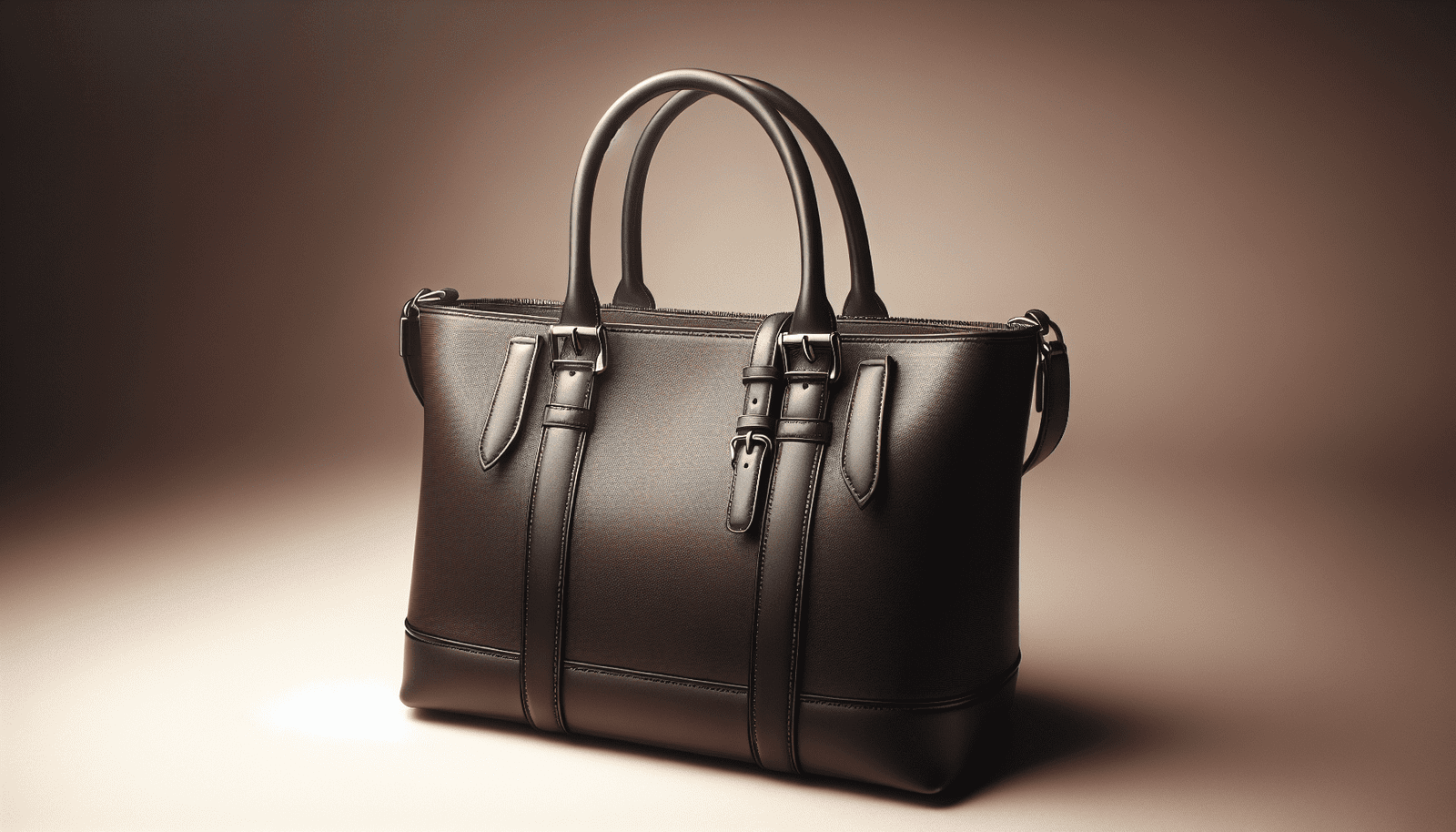
Which Handbags for work will help you carry everything you need for a productive workday while still making you feel polished and confident?
Handbags for Work That Blend Practicality and Professionalism well
Handbags for work should do more than look good; it should support your day, protect your essentials, and make transitions between meetings, commutes, and after-work plans effortless. In this article you’ll get practical guidance on choosing the right style, materials, features, and maintenance tips to ensure your bag works as hard as you do.
Why the right Handbags for work matter at work
Choosing the right Handbags for work affects your efficiency, posture, and professional image. The correct bag keeps your essentials organized, protects electronics, and complements your outfit without overwhelming it.
First impressions and professionalism of Handbags for work
Your Handbags for work are part of your visual introduction before you speak. A neat, well-structured Designer Bag signals attention to detail and reliability, which can matter during client meetings and interviews.
Practicality and daily efficiency of Handbags for work
Thoughtfully designed Handbags for work reduce the time you spend searching for items and help you move smoothly between tasks. When everything has a place, you’ll feel more focused and less distracted.
Key features to look for in Handbags for work
When evaluating options, consider features that enhance organization, durability, comfort, and security of your Handbags for work. Prioritize the characteristics that match your daily routine and the items you carry.
Size and capacity of Handbags for work
Size of your Handbags for work should be proportional to the items you routinely carry—laptop, tablet, notebooks, chargers, lunch, and personal items. Oversized bags can feel clumsy while undersized ones leave you juggling items.
Laptop compatibility of Handbags for work
Measure your laptop and confirm the Handbags for work internal dimensions or laptop sleeve size. A padded sleeve that fits snugly prevents shifting and reduces wear on the device.
Compartments and organization
Multiple compartments, pockets, and dividers keep items accessible and prevent damage. Look for dedicated phone pockets, zippered sections for valuables, and a soft-lined pocket for sunglasses.
Closure types
Secure closures protect contents and impact the bag’s silhouette. Zippers offer full security, magnetic snaps add convenience, and flap closures can blend formality with function.
Straps and carrying options of Handbags for work
Adjustable straps, top handles, and optional crossbody straps let you switch carry styles based on comfort and setting of Handbags for work. Wider straps distribute weight better and reduce shoulder strain.
Material and durability
Leather, high-quality faux leather, coated canvas, and technical fabrics each offer different balances of appearance and resilience. Choose a material that matches the climate and your maintenance preferences.
Weight and structure
A structured bag retains shape and projects a refined look, while unstructured bags can be lighter and more casual. Consider empty weight—heavy materials will add to the load.
Security features in Handbags for work
Anti-theft features like lockable zippers, RFID-blocking pockets, and slash-proof straps can be valuable if you commute in busy places. These features add protection without changing daily usability.
Handbags for work styles suitable for work
Different job environments call for different styles of Handbags for work. Below you’ll find a breakdown of common professional handbag shapes and how they fit into various work contexts.
Tote Bags
Tote Bags are the best Handbags for work, as those are roomy, open-top bags with two parallel handles that slide over the shoulder or rest in the crook of your arm. They offer easy access and generous capacity, making them staples for many professionals.
- Best for: Professionals who carry a laptop, documents, and personal items.
- Pros: Large capacity, versatile, often stylish and structured.
- Cons: Open tops can be less secure; organization depends on internal pockets.
What to pack in a Tote Bag
In a Tote Bag, you can fit a laptop with a sleeve, a notebook, a small pouch for chargers, a wallet, and a compact toiletry kit. Use smaller pouches to keep items together.
Satchel Bags
Satchel Bags are typically structured with top handles and a flap or zipper closure. They feel polished and can be smaller than totes while still accommodating essentials.
- Best for: Corporate settings where a formal, tailored look is preferred.
- Pros: Structured silhouette, secure closure, elegant.
- Cons: Limited capacity compared with large totes.
Styling tip
Carry a satchel by the top handle for the most professional look; use an optional shoulder strap for hands-free moments.
Shoulder bag
Shoulder bag do combine formality with medium capacity. A defined silhouette and a single shoulder strap make them ideal for business casual environments.
- Best for: Office professionals who prefer a classic, feminine shape.
- Pros: Sophisticated appearance, moderate organization.
- Cons: May not fit larger laptops.
Crossbody Bags
Crossbody Bags provide security and ease while keeping your hands free. Look for larger crossbodies with professional lines and enough room for essentials if you prefer a more mobile option.
- Best for: Commuters and professionals who value hands-free convenience.
- Pros: Comfortable to wear, secure, balanced weight distribution.
- Cons: Smaller capacity unless you choose a larger design.
Backpacks (professional style)
Modern professional Backpacks are sleek, often leather or technical fabric, and include laptop sleeves and organizational pockets. They distribute weight evenly and are excellent for cyclists or long commutes.
- Best for: Active commuters, people who walk or bike to work, or those who carry heavier loads.
- Pros: Ergonomic, spacious, secure.
- Cons: May read casual in very formal workplaces.
Briefcases Handbags for work
Classic briefcases provide a businesslike, formal appearance with structured compartments for laptops, documents, and business cards. Contemporary versions come with modern touches like padded sleeves and shoulder straps.
- Best for: Formal workplaces, professionals who carry important documents and devices.
- Pros: Extremely professional, protective for electronics.
- Cons: Can appear too formal for creative fields.
Convertible Bags / 2 in 1 Bags
Convertible Bags switch between a tote, backpack, or crossbody, offering flexibility for different parts of your day. They’re great if your workday involves varied activities.
- Best for: Professionals with diverse commuting methods and meeting styles.
- Pros: Versatile, multi-functional.
- Cons: Mechanisms can add weight and complexity.
Comparison table: Handbags for work types at a glance
This table helps you compare styles quickly based on capacity, professionalism, and ideal uses.
| Style | Typical Capacity | Best for | Professionalism | Pros | Cons |
|---|---|---|---|---|---|
| Tote | High | Laptops, documents | High–Medium | Spacious, versatile | Open top security issues |
| Satchel | Medium | Formal offices | High | Structured, elegant | Less capacity |
| Structured Shoulder | Medium | Business casual | Medium–High | Polished look | May not fit large devices |
| Crossbody | Low–Medium | Commuters | Medium | Hands-free, secure | Smaller capacity |
| Professional Backpack | High | Active commuters | Medium–High | Ergonomic, protective | Can look casual |
| Briefcase | Medium–High | Formal professionals | High | Protective, organized | Heavy, formal |
| Convertible | Variable | Multi-mode days | Variable | Versatile | Complex/weighty |
Materials and finishes of Handbags for work: what to choose
Material choice impacts aesthetics, longevity, weight, and care requirements. Think about how each material will perform in your daily context.
Leather in Handbags for work
Genuine leather ages well, develops a patina, and provides a refined finish. It’s durable when properly cared for and suits formal settings.
- Care notes: Clean with a damp cloth, use leather conditioner periodically, and store away from direct sunlight.
Faux leather (vegan leather)
Faux leather has a similar appearance to genuine leather, often at a lower price point. Newer high-quality versions can be durable and more stain-resistant.
- Care notes: Wipe clean with mild soap and water; avoid heat that can warp synthetic materials.
Coated canvas and nylon in Handbags for work
Technical fabrics are lightweight, water-resistant, and easy to clean—ideal for more casual work environments and commuters.
- Care notes: Spot-clean with a gentle detergent; most are low-maintenance.
Suede
Suede looks luxurious but requires careful handling, as it’s more susceptible to stains and water damage. It’s better for dry-office environments and infrequent use.
- Care notes: Use suede protector spray and a suede brush for cleaning.
Sustainable and recycled fabrics used in Handbags for work
Many brands now offer recycled nylon, cork, and plant-based leathers. These options appeal if you prioritize environmental responsibility.
- Care notes: Follow manufacturer instructions; some require special care like any textile.
Hardware and finish quality of Handbags for work
Zippers, clasps, and strap attachments should feel sturdy. High-quality hardware resists scratches and loosening, and black- or gold-tone finishes tend to pair well with professional attire.
Choosing Handbags for work the right size and compartments
Handbags for work should be large enough to hold your essentials without becoming cumbersome. Internal organization is equally important.
Measuring Handbags for work for the right fit
Measure the devices and items you carry most often. Add a small allowance for charger thickness, protective cases, or bulky notebooks. Use the bag’s inner dimensions or listed device capacity as a guide.
Laptop and tablet sleeve tips
A padded sleeve should be slightly larger than your device for shock absorption. Elastic or secure straps inside the sleeve can prevent shifting.
Internal vs. external pockets in Handbags for work
Internal pockets keep smaller items from getting lost, while external pockets give quick access to a phone or transit card. Balance convenience with security—external pockets should ideally zip closed.
Removable organizers and pouches
Using modular pouches or a bag organizer lets you move contents between bags quickly. It also helps maintain tidiness and protects fragile items.
How to style your work handbag with outfits
Your handbag should complement your wardrobe and the tone of your workplace. Match the bag’s structure, color, and material to the formality of your attire.
Corporate and formal environments
Choose structured shapes in leather or high-quality faux leather. Neutral colors—black, navy, brown—are safe choices that maintain a polished image.
Business casual Handbags for work
You can introduce texture or muted colors like burgundy, forest green, or camel. A bag with subtle hardware details can add personality without compromising professionalism.
Creative industries
Here you can be bolder with color, pattern, and unique silhouettes. Still aim for functional features like padded sleeves and compartments.
Transitioning to after-work plans
Select a bag with a detachable strap or a shape that carries well in the evening. A mid-sized satchel or structured tote often translates well from office to dinner.
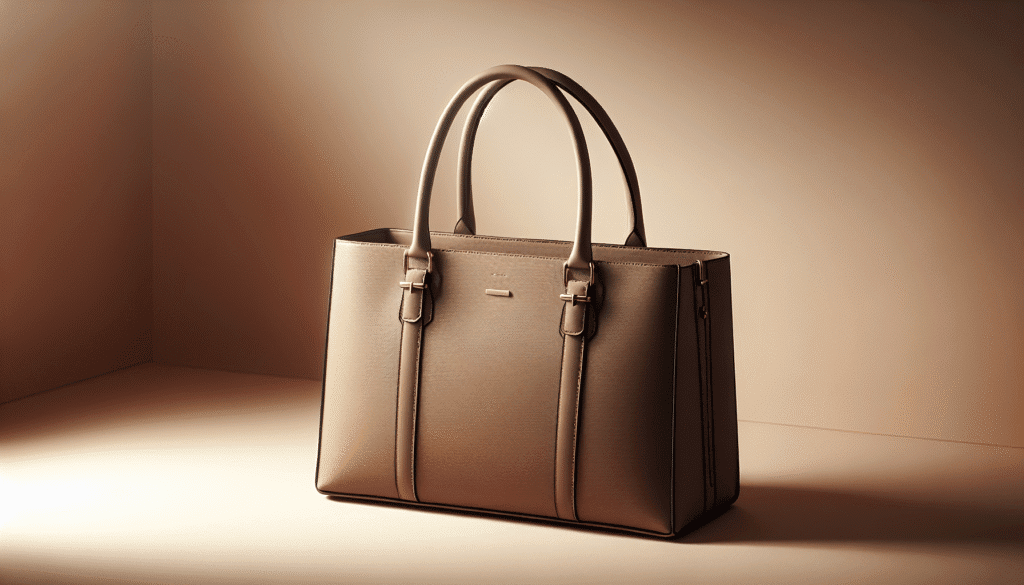
Packing checklist for Handbags for work: what to carry and where to put it
Organizing your bag intentionally makes your day smoother. The table below offers a suggested layout for a medium-to-large work handbag.
| Item | Suggested compartment |
|---|---|
| Laptop/tablet | Padded laptop sleeve |
| Charger/power bank | Zip pocket or tech pouch |
| Phone | Quick-access pocket |
| Wallet | Zippered main pocket or internal pocket |
| Keys | Small zip or clip near top |
| Pens | Dedicated pen slot or pen holder |
| Notebook | Main compartment or separate slot |
| Headphones | Pouch or side pocket |
| Sunglasses | Soft-lined pocket |
| Small makeup/toiletry | Cosmetic pouch |
| Water bottle | Side pocket (collapsible preferred) |
| Snacks | Small pouch or bottom of main compartment |
| Umbrella | Side or exterior pocket |
Maintenance, cleaning, and storage of Handbags for work
Proper care extends the life of your handbag and keeps it looking professional for longer. Follow material-specific guidelines and store bags correctly.
Cleaning Handbags for work by material
- Leather: Wipe with a damp cloth and apply conditioner sparingly.
- Faux leather: Clean with mild soap and water; avoid abrasive scrubbing.
- Fabric/nylon: Spot clean with mild detergent and let air dry.
- Suede: Use a suede brush and protective spray; professional cleaning for deep stains.
Storage tips for Handbags for work
Store your bag upright in a dust bag or pillowcase, stuff with acid-free tissue paper to preserve shape, and keep away from humidity and direct sunlight. Rotate bags to prevent excessive wear.
Repairs and maintenance of Handbags for work
Promptly address loose stitching, hardware issues, or torn straps. Small repairs are cheaper than full replacements and keep your bag professional-looking.
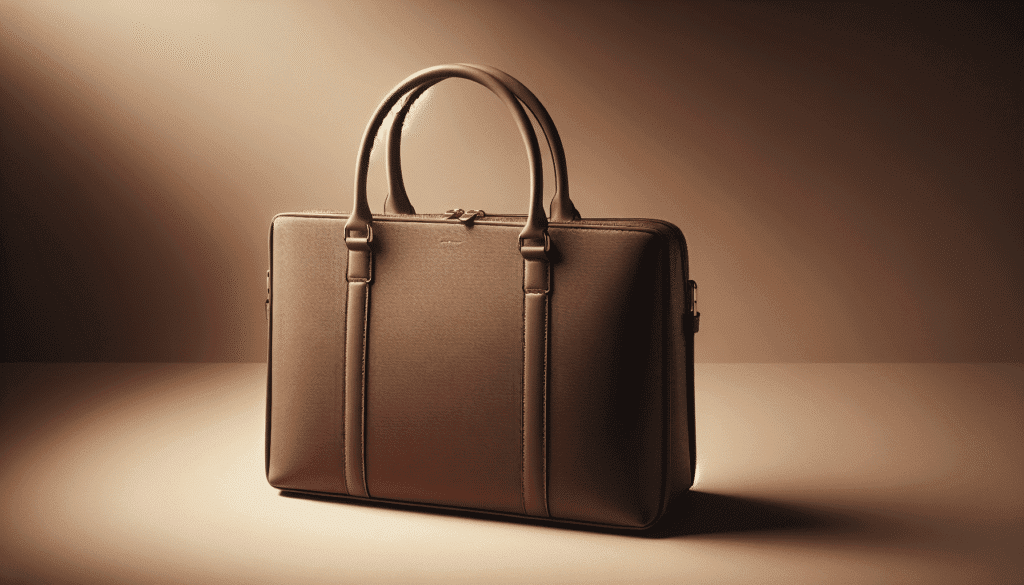
Anti-theft and security considerations for Handbags for work
If you commute or travel, prioritize features that reduce theft risk while maintaining ease of use.
Anti-theft features to consider
- Lockable zippers or closures
- Slash-resistant straps or panels
- RFID-blocking pockets for cards and passports
- Interior zip compartments for valuables
Commuting safety techniques
Keep your bag closed and in front of you in crowded spaces, use a crossbody strap when walking, and avoid leaving your bag unattended under a desk or on a chair.
Ergonomics and weight management
A heavy bag can cause shoulder and neck pain over time. Consider ergonomics when selecting strap width, bag weight, and carrying style.
Left vs. right shoulder carry
Alternate shoulders throughout the day to avoid imbalanced strain. If you carry a laptop daily, a bag with a single wide strap or a backpack option will reduce pressure.
Distribute weight evenly
Place heavier items near the center or against your back to balance the load. Use multiple small pouches instead of one heavy item to spread weight.
Budget options, investment pieces, and sustainable choices
Decide whether you want a budget-friendly workhorse or a long-term investment piece. Both have valid roles depending on your priorities.
Affordable functional picks
Synthetic materials, sale items, and outlet lines can offer quality features at lower price points. Focus on solid construction, good hardware, and essential features.
Investment bags
High-quality leather, timeless shapes, and reputable craftsmanship make investment bags last years and often look better with age. If you carry a bag daily, investing can be more cost-effective in the long run.
Sustainable and ethical brands
Look for brands that use recycled materials, transparent manufacturing, and fair labor practices. Certifications and clear supply-chain information help you make responsible choices.
How to choose Handbags for work by profession
Different jobs mean different needs. Use these quick guides to tailor your choice.
Corporate professionals
Pick a structured leather tote or briefcase with a padded laptop sleeve, business card slot, and internal organization. Neutral colors and minimal hardware work best.
Creative professionals
Choose a bag that balances function with personal style—think textured finishes, convertible shapes, and larger compartments for tools and samples.
Healthcare and social services
Durability and easy-to-clean materials are key. A backpack or crossbody with a quick-access front pocket works well for hands-free movement.
Sales and client-facing roles
Select a bag that’s both fashionable and practical—compact crossbodies for light days or structured totes for carrying samples and documents.
Choosing a bag that flatters your body and height
Proportion is important: a bag should complement your frame rather than overwhelm it.
Petite frames in Handbags for work
Choose smaller to medium-sized bags with shorter straps or crossbody options. Avoid overly long bags that fall below the hip and create visual imbalance.
Taller frames
You can carry larger totes and longer shoulder straps comfortably. Structured shapes scaled to your proportions look especially refined.
Curvy or broad shoulders
Look for bags with adjustable straps and wider strap options for comfort. Longer straps can move the bag away from your torso, preventing bulkiness.
Buying guide and practical checklist for Handbags for work
Before you buy Handbags for work, use this checklist to evaluate whether a bag meets your needs.
- Does it fit your laptop and daily essentials?
- Is the material appropriate for your commute and climate?
- Are there dedicated pockets for valuables and tech?
- Is the strap comfortable and adjustable?
- Does it look professional for your workplace?
- Is the weight reasonable when empty?
- Are security and anti-theft features sufficient?
- Can you clean and maintain it easily?
- Is the price reasonable for quality and expected lifespan?
- Does the brand offer warranty or repair services?
Frequently asked questions about Handbags for work
You’ll likely have a few common questions when choosing a work handbag. Here are clear answers to help you decide.
How big should Handbags for work be?
The bag should be large enough for your largest daily items—commonly a laptop and notebook—without being so large that it becomes a burden. Measure the largest item and give an extra inch or two for sleeves and pouches.
Is leather the best choice for a professional look?
Leather is a classic and highly professional choice, but high-quality faux leather and coated canvas can also look refined. Choose materials that match your aesthetic and maintenance willingness.
Can Backpacks be professional?
Yes—sleek, structured backpacks in leather or technical fabric with minimal branding can be very professional, especially if your commute or workload benefits from ergonomic support.
Do you need a separate Bag for gym and work?
If you use the same bag for both, look for compartments that separate sweaty clothes from clean items and materials that can be easily cleaned. Alternatively, use a small duffel inside your work bag or a compact gym pouch.
Final thoughts about Handbags for work
A work handbag that blends practicality and professionalism supports your day, protects your essentials, and contributes to a confident presence. By prioritizing fit, organization, material, and ergonomics, you’ll find options that suit your routine and style preferences.
Select a bag that matches what you carry, how you travel, and the impression you want to make, and maintain it well so it remains a reliable part of your professional toolkit.